Why Adolescent SRHR in Rural Africa Needs a Different Digital Model
Adolescents in rural Zimbabwe face serious barriers to accessing accurate, judgment-free Sexual and Reproductive Health and Rights (SRHR) information and services. Stigma, poverty, a lack of adolescent-friendly health spaces, and harmful myths create a risky environment for young people navigating puberty, relationships, and sexual health. In our own work at SolidarMed Zimbabwe, we have seen how these barriers translate into real consequences, including higher rates of teenage pregnancy, complications during birth, and lower HIV treatment adherence among adolescents compared to adults.
Digital platforms offer promising ways to reach adolescents with health information. However, in many rural sub-Saharan African settings, many young people remain excluded due to limited smartphone access, unreliable internet, and low levels of digital literacy (Chidakwa et al., 2024). As a result, even well-intentioned digital solutions risk reinforcing existing inequalities if they are not designed with the realities of rural adolescents in mind (Doyle et al., 2021). Tools developed without their input may fail to meet their needs or reflect their lived experiences. Inclusive design is not just good practice, it is essential if digital innovations are to reach those who are most often left out, not only by shaping content and tone, but by ensuring that access itself is possible and equitable.
Creating Space for Adolescent-Led Health Solutions
Putting this principle into action, SolidarMed collaborated with adolescents and health professionals in Masvingo Province, Zimbabwe, to co-design a comprehensive adolescent health project rooted in inclusivity and relevance. Guided by a mixed methods baseline study involving over 270 adolescents and 230 health workers, the programme focuses on four key areas: SRHR, mental health, substance use, and menstrual health.
Two of the key messages that emerged from the baseline study were that adolescents felt they had no say in their own health and lacked a safe space to access health education and services. SolidarMed therefore ensured that, from the outset, adolescents played a central role in shaping the project. Adolescent committees were established, peer educators were engaged and adolescent focal nurses were trained. As a result, the adolescents developed the concept of Teen Health Information and Innovation Spaces (THIIS) - supportive environments where they could engage in their own health and access tailored education and services. This model was described in more detail in a previous MMS Bulletin article, which outlined how adolescent engagement can help create more vibrant and youth-responsive health spaces.
Over the past year, the project has reached over 15,000 adolescents with health education, but one question remained: how can we reach even more young people, especially those who hesitate to speak up in person?
"In a digital era where platforms often collect and monetise user data, HealthHub took a different path."
Laura Ruckstuhl, Cordelia Kunzekwenyika, Joseph Bishi, Brian Takayidza
Going Digital: The Birth of HealthHub
To reach adolescents who might not feel comfortable speaking up in person, the project expanded into the digital space. This led to the creation of HealthHub, a mobile-friendly web platform co-designed by adolescents, the Ministry of Health and Child Care (MoHCC), and digital health experts. The goal was simple but ambitious for the setting: to deliver trustworthy, adolescent-tailored health information in a safe and accessible format.
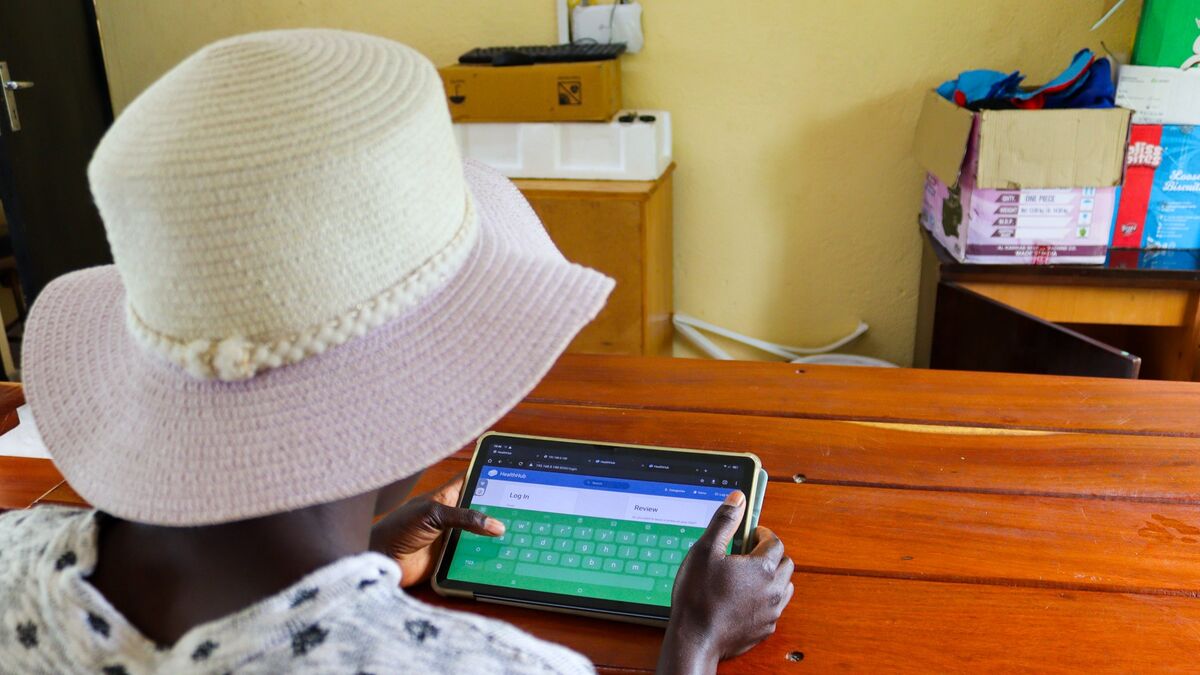
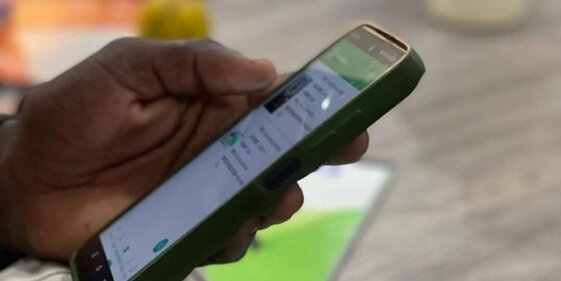
Through co-creation workshops and multiple iterations, existing MoHCC content was adapted to reflect local realities, validated by health authorities, and structured around adolescent priorities. HealthHub includes articles, illustrations, and a Q&A feature, allowing adolescents to ask sensitive questions and receive direct responses from trained nurses. The platform is mobile-friendly and can be accessed on personal smartphones where available, or via shared tablets provided at health facilities. This format was designed to make it easier for young people to seek information they might otherwise keep to themselves.
Trust and Engagement in the Digital Space
This Q&A function quickly became one of the most valued aspects of the platform. During a three-month pilot at Bota Rural Health Centre, 64 adolescents submitted 103 questions, often on topics they were too embarrassed to raise in person, such as “Can a virgin use a condom?” or “Does a condom protect 100 percent from STIs?” The ability to ask anonymously and receive trusted, personalised responses helped foster a sense of safety and openness that traditional services often struggle to provide.
Another key feature allows users to rate their clinic experience anonymously, generating feedback to improve the adolescent friendliness of services. Sixty six percent of pilot users submitted feedback using this function, a notably high level of engagement that shows how digital tools can amplify voices that might otherwise go unheard (Pathfinder International, 2021).
Putting safety, equity and feedback at the centre
For HealthHub to be trusted and useful, safety and inclusion had to be designed from the start. In a digital era where platforms often collect and monetise user data, HealthHub took a different path. The platform is locally hosted, access is password-protected, and no personal data is stored externally. Health information is moderated by trained nurses, and safeguarding protocols are in place to respond to red flag issues such as abuse or self-harm through national referral systems. These measures were not imposed, they were developed collaboratively with adolescents and MoHCC staff at all levels. This helped build the ownership and trust that underpin the platform’s success (Guse et al., 2012).
The pilot also offered valuable lessons. Adolescent focal nurses shared that, while adapting to the tool initially felt overwhelming, it became an effective way to support adolescents. “With adaptation to the tool, it became an effective way to support adolescents. The ones I engaged with showed a great deal of enthusiasm,” one nurse shared. Others highlighted areas for improvement, such as training additional staff to respond more quickly, and further sensitising adolescents who struggle to navigate the platform. “To address usage barriers, continuous sensitisation is needed,” one nurse said. Another noted, “With increased support, particularly by providing devices, the app has the potential to significantly bridge knowledge gaps among young people.”
The adolescents themselves confirmed the value of the platform. “There is nowhere else I can get this information,” said one. Others suggested future improvements, such as including short health videos, adding more topics, and ensuring better accessibility for those with limited digital skills. The feedback points not only to the relevance of HealthHub, but also to adolescents’ continued engagement in shaping it.
What’s Next?
As we look ahead, our focus is on expanding and strengthening the platform. Priorities include co-developing more content, including short videos, translating material into local languages, improving analytics and scaling access through schools and youth spaces. These next steps reflect suggestions made by both adolescents and health workers, and are a testament to the value of ongoing, participatory refinement.
Digital tools are not a silver bullet. But when designed collaboratively and grounded in the lived realities of marginalised adolescents, they can unlock access, agency, and dignity. HealthHub is still evolving, but it offers a promising example of how digital SRHR tools can be both inclusive and impactful.
As one adolescent put it, “Sometimes it’s hard to ask questions in person… but the app makes it easier because I don’t feel judged.” In the end, that’s what meaningful digital SRHR work should do, make space for honesty, learning, and trust.
References
Guse, K., Levine, D., Martins, S., Lira, A., Gaarde, J., Westmorland, W., & Gilliam, M. (2012). Interventions using new digital media to improve adolescent sexual health: A systematic review. Journal of Adolescent Health, 51(6), 535–543.
Pathfinder International. (2021). Digital Health and Youth: Lessons from the YUVAA Project. Retrieved from https://www.pathfinder.org/publications
Doyle AM, Bandason T, Dauya E, McHugh G, Grundy C, Dringus S, Dziva Chikwari C, Ferrand RA. Mobile Phone Access and Implications for Digital Health Interventions Among Adolescents and Young Adults in Zimbabwe: Cross-Sectional Survey. JMIR Mhealth Uhealth. 2021 Jan 13;9(1):e21244. doi: 10.2196/21244. PMID: 33439136; PMCID: PMC7840276.
Chidakwa, N., & Khanare, F. P. (2024). The Fourth Industrial Revolution: Overcoming Digital Divides in Zimbabwean Rural Learning Ecologies. Futurity Education,4(2). 125-147.https://doi.org/10.57125/FED.2024.06.25.07