How social media and AI can become tools for empowerment if used with care and inclusion?
Sexual and reproductive health and rights in the age of AI and social media
Von Carine Weiss
In a world increasingly shaped by algorithms and digital platforms, sexual and reproductive health and rights (SRHR) face new frontiers and frightening challenges. artificial intelligence (AI) and social media hold enormous potential to dismantle long-standing barriers to healthcare access, amplify marginalized voices, and personalize health communication. But they also carry the risk of reproducing societal biases, intensifying stigma, and widening digital divides.
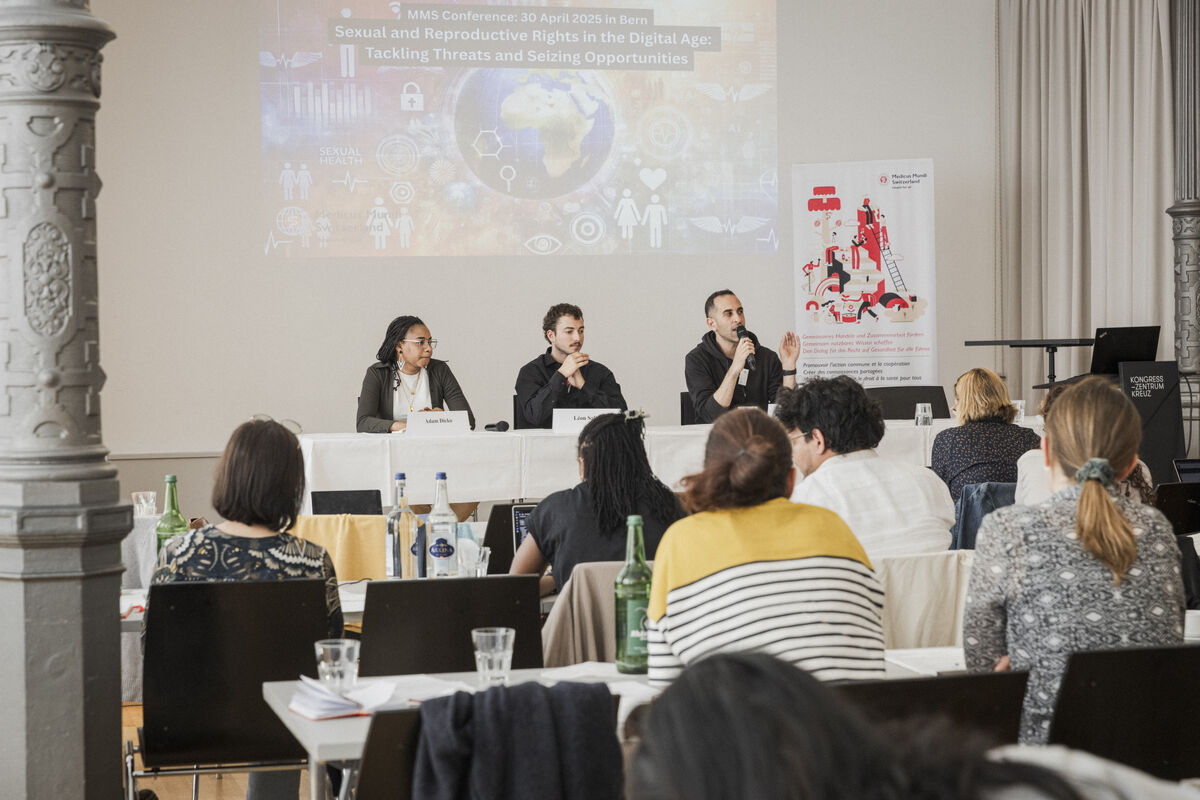
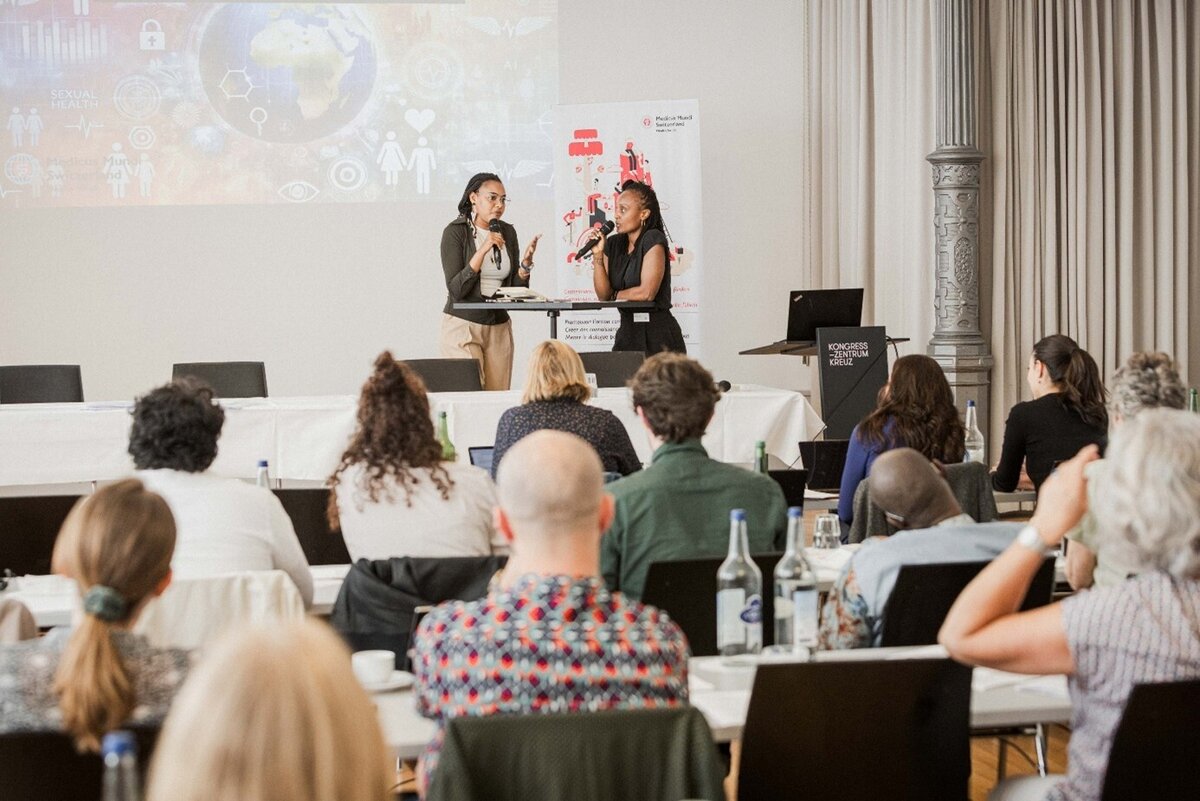
At this year’s SRHR conference hosted by Medicus Mundi Switzerland (MMS), stakeholders from civil society, research, politics, and media were invited into a critical conversation. The guiding question: How can we design digital innovations that foster equity rather than jeopardize it?
While artificial intelligence (AI) is rapidly evolving from basic chatbots and emotional diagnostics to fully autonomous systems its application in healthcare must be met with ethical vigilance. For example, AI-driven health analysis using genomic, hormonal, and environmental data could enable early detection of reproductive risks. Yet we must ask: are our legal, social, and ethical frameworks prepared to responsibly integrate these technologies?
Algorithms used in SRHR decision-making can inadvertently entrench stereotypes and discriminate against already vulnerable populations. Misinformation, digital exclusion, and inadequate moderation policies remain pressing concerns.
The stakes are especially high in the Global South, where historically underserved communities may continue to suffer under exclusionary algorithms and limited digital infrastructure. Inclusive, rights-based systems must be built from the ground up with ethical standards, participatory design, and robust accountability measures. However, we are not yet clear on how that should look like.
This conference was more than a meeting. It's a platform for solution-driven dialogue. It aims to spark connection, foster interdisciplinary thinking, and build strategic partnerships to ensure digital health evolves equitably. From academia to activism, journalism to policymaking, we need collective action that ensures technology serves, not undermines human rights.
Over the course of the sessions, participants highlighted pressing risks: AI tools trained on biased data sets threaten to perpetuate exclusion in sexual and reproductive health; misinformation targeting marginalized communities spreads rapidly on unregulated platforms; and digital health systems often overlook the lived realities of those most affected.
Yet the dialogue also illuminated pathways forward. Across sessions and presentations, three core strategies emerged for harnessing digital tools in ways that promote not hinder SRHR equity:
Ethical and inclusive AI-design Stephany Oliveros of SheAIemphasized the urgency of embedding equity into the architecture of AI systems. Her talk outlined four pillars equity in design, ethical guardrails, inclusive education, and cross-sectoral policy as essential for future-proofing digital SRHR-tools. Drawing on global case studies, she highlighted both promise and peril: while AI can offer stigma-free, multilingual care access, it also risks deepening biases and eroding privacy if not carefully regulated.
AI-chatbots for mental health- and SRHR-support Lea Maria Schäfer presented compelling evidence on the transformative role of conversational AI in SRHR and mental health. Clare&me is a clinically validated AI self-therapy companion available via phone and messaging, designed to offer anonymous, stigma-free support for individuals navigating anxiety, overthinking, and emotional distress. However, she also cautioned about the limitations of large language models (LLMs), including misinformation risks, ethical ambiguity, and cultural insensitivity. Her call for clinical oversight and safeguards highlights the importance of rigorous, context-aware chatbot deployment.
Co-creation and localization of digital tools
From Zanzibar, Leah Bohle’s case study of the MAM*AI chatbot illustrated how co-development with end-users in this instance, midwives can dramatically enhance the relevance and impact of digital tools. In regions with limited clinical training and access to SRHR resources, AI-supported decision-making can close gaps in maternal care, but only when paired with local ownership and culturally competent design.
Social media emerged as a powerful, yet complex, tool for advancing sexual and reproductive health and rights (SRHR). The speakers underscored three key insights:
Visibility drives change Léon Salin illustrated how digital platforms can reduce stigma and foster open dialogue around gender identity. His experience shows that authentic online representation can shift public perception and empower marginalized voices.
Digital spaces must be made safe and accessible Yigit Aydin emphasized that while social media offers visibility and outreach for sex workers, it also exposes them to algorithmic censorship, surveillance, and exclusion. He called for platform accountability and inclusive digital policies to ensure safety and dignity.
Youth Engagement Requires Strategic Digital Presence Adam Dicko highlighted how youth-led organizations in Mali use social media to challenge harmful norms and promote SRHR education. Collaborations with influencers and proactive content strategies are essential to reach and protect young audiences.
One key takeaway resonated across disciplines: The digital transformation of SRHR is inevitable, but its impact is not predetermined. Whether technology fosters justice or deepens disparities depends entirely on the standards we set today.
This conference affirmed the need for:
Human rights-based frameworks guiding digital health innovation
Inclusion of marginalized voices in the design and deployment of tech
Binding global standards for transparency, accountability, and content moderation
The future of SRHR is indeed being coded now in our choices, regulations, and investments. Let it be a future that reflects care, autonomy, and dignity for all.
Next SRHR Conference is on 29 April 2026 in Bern Hotel Kreuz
Carine Weiss
ist Projektleiterin bei Medicus Mundi Schweiz und unter
anderem für den Fachbereich Sexuelle Gesundheit und Recht zuständig.
Teilen
Bleiben Sie informiert – abonnieren Sie unseren Newsletter.