MMS Nachrichten vom 08.04.2025

Die Massnahmen der US-Regierung gegen die internationale Zusammenarbeit haben massive Folgen – auch für das internationale Genf. Dieses droht vor unseren Augen zu zerfallen und der Bundesrat scheint es zu verschlafen.

Das zweite Credit-Suisse-Momentum: Und der Bundesrat verschläft es
photo: ©mike newbry/unsplash

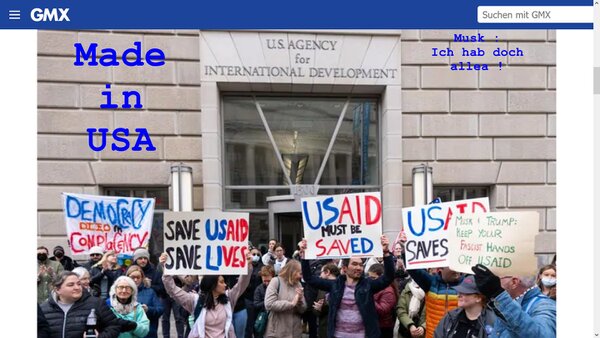
Die US-Regierung hat in zwei Monaten sich von einer regelbasierten Aussenpolitik und dem Multilateralismus verabschiedet. Sie zerstört Strukturen der globalen Gesundheit und tritt aus der WHO aus. Das Netzwerk Medicus Mundi Schweiz hat in einem Policy Brief im Februar auf die epidemiologischen Folgen, aber auch auf die Konsequenzen für die Schweiz hingewiesen.

Stellenabbau absehbar

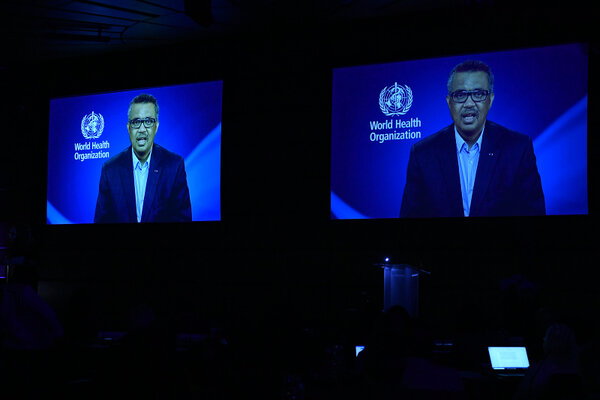
Langsam wird das Ausmass immer deutlicher. Laut der entwicklungspolitischen Nachrichtenplattform Devex, die in den USA beheimatet ist und damit die Folgen vor Ort recherchiert, wird die WHO 2025 600 Millionen USD weniger zur Verfügung haben. Für 2026-2027 wird eine Fundinglücke von 1.8 Milliarden USD aufklaffen. Dies entspricht 43% des Budgets. Laut Devex sagte der WHO-Direktor in einem internen Mail: „Es bleibt uns nichts anderes übrig als den Umfang unserer Arbeit und unserer Arbeitskräfte zu reduzieren.(Devex Check up, April 3, 2025)

Genf retten, „what ever it takes“?

Das internationale Genf steht inmitten eines Orkans. Dies ist verursacht durch den Finanzdruck auf UNAIDS, GAVI und weitere in Genf beheimatete internationale Organisationen. Der Druck verschärft sich durch Sparmassnahmen anderer Regierungen in der internationalen Zusammenarbeit.

Tausende von Stellen könnten abgebaut oder in finanziell günstigere Länder verschoben werden. Damit verbunden sind ökonomische und aussenpolitische Konsequenzen für die Schweiz. Das internationale Genf wird massiv an Bedeutung verlieren und damit auch die Schweiz auf der internationalen Bühne.

Wir haben es mit einem regelrechten «Credit-Suisse-Moment» für die Politik zu tun. Doch es gibt keine wochenendliche Krisensitzungen, keine Spezialfonds, die geöffnet werden, keine Signale an den Markt der internationalen Politik, dass der Bundesrat das internationale Genf retten werde – „what ever it takes.“

Martin Leschhorn Strebel
Geschäftsführer Medicus Mundi Schweiz
E-Mail: mleschhorn@medicusmundi.ch

Netzwerk Nachrichten

04.04.2025 – Schweizerisches Rotes Kreuz

Vielversprechender Ansatz für eine bessere Gesundheit

Vielversprechender Ansatz für eine bessere Gesundheit
photo: ©Schweizerisches Rotes Kreuz
04.04.2025 – Schweizerisches Rotes Kreuz

Vielversprechender Ansatz für eine bessere Gesundheit

"Mit Verhaltensänderungen tun sich alle Menschen schwer. Nicole Rähle und Monika Christofori-Khadka, Gesundheits-Expertinnen des SRK, entwickelten einen Ansatz, der Verhaltensänderungen nachhaltig fördert. Sie bilden Mitarbeitende und Freiwillige der Rotkreuz- und Rothalbmond-Bewegung in diesem Ansatz weiter. Im Interview erklärt Monika Christofori-Khadka, was es braucht, um gesundheitsfördernde Gewohnheiten im Alltag zu verankern."

04.04.2025 – Schweizerisches Rotes Kreuz

Myanmar: Hilfe nach dem Erdbeben

Myanmar: Hilfe nach dem Erdbeben
Schweizerisches Rotes Kreuz
04.04.2025 – Schweizerisches Rotes Kreuz

Myanmar: Hilfe nach dem Erdbeben

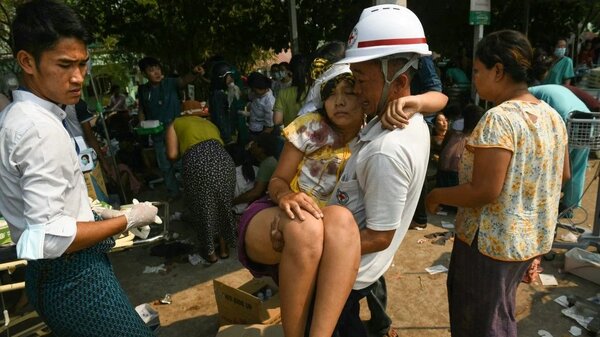
"Nach dem schweren Erdbeben in Myanmar schickt das Schweizerische Rote Kreuz Hilfe nach Südostasien. Häuser, Spitäler und Brücken sind eingestürzt. Tausende Menschen verloren ihr Leben oder wurden verletzt. Das Schweizerische Rote Kreuz leistet technische und finanzielle Unterstützung und entsendet bei Bedarf Personal in die Region."

04.04.2025 – Swiss Tropical and Public Health Institute

World TB Day: The urgent fight against drug resistant tuberculosis

World TB Day: The urgent fight against drug resistant tuberculosis
04.04.2025 – Swiss Tropical and Public Health Institute

World TB Day: The urgent fight against drug resistant tuberculosis

"Tuberculosis (TB) remains one of the world’s deadliest infectious diseases. While new treatments offer hope, the rise of drug-resistant TB strains threatens to reverse progress. This World TB Day, we highlight new research from Swiss TPH that aims to stay one step ahead of this growing health crisis."

03.04.2025 – handicap international

Erdbebenhilfe in Myanmar : unsere Teams sind bereits mobilisiert, um schwere Behinderungen zu vermeiden.

Erdbebenhilfe in Myanmar : unsere Teams sind bereits mobilisiert, um schwere Behinderungen zu vermeiden.
photo: ©handicap international
03.04.2025 – handicap international

Erdbebenhilfe in Myanmar : unsere Teams sind bereits mobilisiert, um schwere Behinderungen zu vermeiden.

"Um 12.50 Uhr Ortszeit erschütterte ein schweres Erdbeben der Stärke 7,7 Myanmar. Die Erschütterungen wurden in Laos, Thailand und China verspürt. Die Zahl der Todesopfer noch nicht bekannt, aber zahlreiche Verletzte strömen in die Spitäler. Wir befürchten eine ernste humanitäre Notlage in diesem Land, das bereits durch eine politische, wirtschaftliche und gesundheitliche Krise geschwächt ist. Die Behörden haben den Notstand in sechs vom Erdbeben betroffenen Regionen ausgerufen."

03.04.2025 – handicap international

Streubomben-Verbotsvertrag in Gefahr

Streubomben-Verbotsvertrag in Gefahr
photo: ©handicap international
03.04.2025 – handicap international

Streubomben-Verbotsvertrag in Gefahr

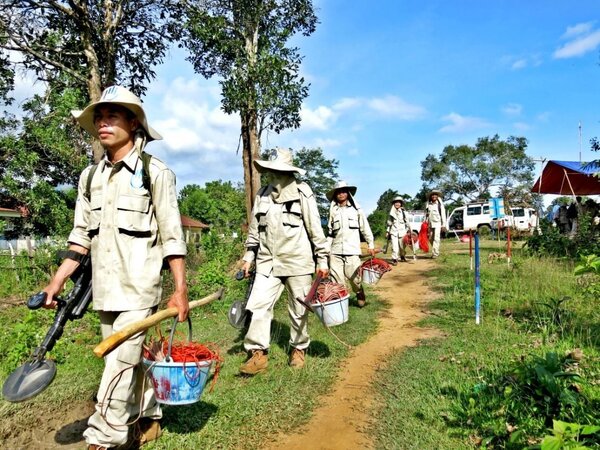
"Litauen wird am 6. März 2025 die Konvention über das Verbot von Streumunition verlassen. Es ist der erste Staat, der seit der Annahme des Vertrages im Jahr 2008 aus diesem und überhaupt aus einem Abrüstungsvertrag austritt. Handicap International, Gründungsmitglied der „Cluster Munition Coalition“, bedauert diese Entscheidung zutiefst und fordert Litauen auf, dem Übereinkommen wieder beizutreten. "

03.04.2025 – handicap international

Nichts kann Prabin aufhalten !

Nichts kann Prabin aufhalten !
photo: ©handicap international
03.04.2025 – handicap international

Nichts kann Prabin aufhalten !

"Erst nach der Geburt bemerkte Prabins Mutter Sunita, dass ihrem kleinen Jungen der Unterschenkel des rechten Beins fehlte. Prabins erste Jahre waren schwierig für Sunita und ihre Familie. Sie liebten ihren kleinen Jungen, aber ihre Gemeinschaft akzeptierte Kinder mit Behinderungen nicht wirklich. "

Gesundheitspersonal: Globaler Mangel

31.03.2025

Personalmangel im Gesundheitswesen: Gibt es mögliche Auswege aus der aktuellen Krise?

Reader MMS Symposium 2024

Personalmangel im Gesundheitswesen: Gibt es mögliche Auswege aus der aktuellen Krise?
Foto: © Cecilie Arcurs/ istockphoto.com
31.03.2025

Personalmangel im Gesundheitswesen: Gibt es mögliche Auswege aus der aktuellen Krise?

Reader MMS Symposium 2024

Weltweit und auch in der Schweiz mangelt es an ausgebildeten Fachkräften im Gesundheitswesen. Der globale Mangel an Gesundheitspersonal führt dazu, dass sich die Länder gegenseitig aktiv und passiv Ärzt:innen und Pflegepersonal abwerben. Die Verlierer dieser Situation sind vor allem Länder mit schwächeren Gesundheitssystemen. Diese Länder verlieren nicht nur das Personal, sondern auch die Investitionen, die in dessen Ausbildung getätigt wurden. Das MMS-Symposium 2024 befasste sich mit den Folgen und möglichen Lösungen des Personalmangels im Gesundheitswesen und erörterte Wege aus der Misere, die er verursacht. Weitere Erkenntnisse zu diesem Thema werden in diesem Bulletin vorgestellt.

USA und die globale Gesundheitsarchitektur

08.04.2025 – Geneva Solutions

International Geneva: who may be losing US aid?

A document leaked last week offered more details into the US’s plans to slash its foreign assistance budget. Geneva Solutions examined what it means for organisations linked to international Geneva.

International Geneva: who may be losing US aid?
Photo: bratispixl/flickr.com; CC BY-NC 4.0 Deed
08.04.2025 – Geneva Solutions

International Geneva: who may be losing US aid?

A document leaked last week offered more details into the US’s plans to slash its foreign assistance budget. Geneva Solutions examined what it means for organisations linked to international Geneva.

"The US decision to gut its foreign assistance budget has been cause for panic and confusion. A head-spinning succession of announcements from organisations seeing their grants paused, then exempted, then terminated, then restored, has made it difficult to get a clear picture of the scale of the impact of US funding. The latest piece of the puzzle comes from a leaked document from the US state department, reported last week by The New York Times and shared by Politico."

07.04.2025 – Health Policy Watch

Trump Tariffs Will Make it Harder for African Countries to Finance Health

Trump Tariffs Will Make it Harder for African Countries to Finance Health
Pexels Foto von RDNE Stock project
07.04.2025 – Health Policy Watch

Trump Tariffs Will Make it Harder for African Countries to Finance Health

"The tariffs imposed by the United States on goods from several African countries on Wednesday will make it even more difficult for African countries to increase their health spending, said Dr Jean Kaseya, Director General of the Africa Centres for Disease Control and Prevention (Africa CDC). These tariffs – ranging from 10% for Kenyan goods to 50% for impoverished Lesotho – come on top of the loss of billions of dollars of US aid for health programmes including vaccinations, maternal and child health, HIV, tuberculosis and malaria. (...) The Africa CDC launched a concept paper on health financing on Thursday outlining how countries could mobilise more resources for health in the face of a 70% decline in official development assistance (ODA) between 2021 and 2025, from $81 billion to $25 billion."

04.04.2025 – Health Policy Watch

WHO Budget Crisis Bigger Than Previously Thought – $2.5 Billion Gap for 2025-2027

WHO Budget Crisis Bigger Than Previously Thought – $2.5 Billion Gap for 2025-2027
Photo: © Dean Calma / IAEA/flickr.com; CC BY 4.0 Deed
04.04.2025 – Health Policy Watch

WHO Budget Crisis Bigger Than Previously Thought – $2.5 Billion Gap for 2025-2027

"WHO’s budget crisis is even bigger than previously thought. The global health organization is short nearly $1.9 billion from a planned $4.2 billion budget for 2026-27, along with a $600 million deficit through end-2025, senior WHO officials revealed at a global ‘Town Hall’ meeting of WHO staff on Tuesday, heard by Health Policy Watch. The $1.9 billion gap means that WHO is short nearly 45% of the funding it needs to run even on a the reduced budget of $4.2 billion that had been planned for the upcoming 2026-2027 budget period, Imre Hollo, WHO official in charge of Planning, Resource Coordination, and Performance Monitoring, told staff at the Town Hall meeting."

07.04.2025 – Geneva Health Files

Global Health Financing Crisis: Dog-Eat-Dog or A Constructive Prioritization?

Guest Essay by Jon Lidén

Global Health Financing Crisis: Dog-Eat-Dog or A Constructive Prioritization?
Pexels Foto von Ron Lach
07.04.2025 – Geneva Health Files

Global Health Financing Crisis: Dog-Eat-Dog or A Constructive Prioritization?

Guest Essay by Jon Lidén

"It’s been a rough few weeks. That is if you sit in Geneva or Washington DC and see colleagues who thought they were in safe, long-term jobs have to clean their desks and look for new work. If you run emergency services in South Sudan or Myanmar or any one of hundreds of other frontline battlefields in the global fight against disease, rough doesn’t cover it. The last few weeks have been tragic, heartbreaking and cruel. The sudden and brutal end to billions of dollars in global health assistance has been costly: in thousands of lives lost; in wasted medicines and supplies that cannot be distributed; in projects and research that will end with no conclusions or results. As damaging as the cutoff of services and treatment is, the infrastructure, supply chains, surveillance and information networks that are gone overnight are even harder to rebuild."

08.04.2025 – Third World Network

UN: Tens of millions at risk of starvation as funding crisis spirals, says WFP

UN: Tens of millions at risk of starvation as funding crisis spirals, says WFP
Photo: UN Photo/Albert González Farran/flickr.com; CC BY-NC-ND 4.0 Deed
08.04.2025 – Third World Network

UN: Tens of millions at risk of starvation as funding crisis spirals, says WFP

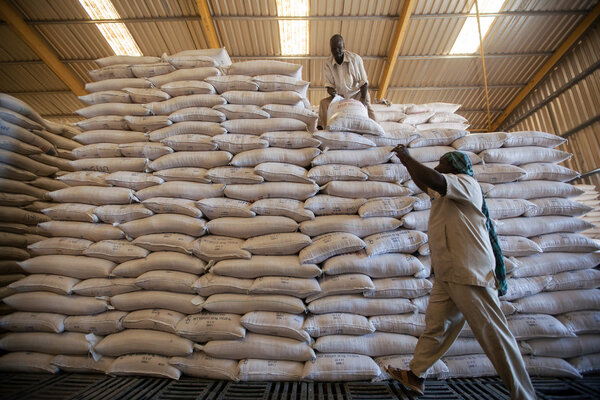
"The United Nations World Food Programme (WFP) warned last week that 58 million people risk losing life-saving assistance in the agency’s 28 most critical crisis response operations unless new funding is received urgently. In a news release issued on 28 March, WFP said that despite the generosity of many governments and individual donors, it is experiencing a steep decline in funding across its major donors. The severity of these cuts, combined with record levels of people in need, have led to an unprecedented crisis for tens of millions across the globe reliant on food aid, it added."

04.04.2025 – 20 Minuten

Conséquences sur le terrain et à Lausanne pour Terre des hommes

Cinq projets importants de l'organisation humanitaire sont impactés par l'arrêt définitif des aides américaines. Dix postes seront supprimés à Lausanne.

Conséquences sur le terrain et à Lausanne pour Terre des hommes
Pexels Foto von Ahmed akacha
04.04.2025 – 20 Minuten

Conséquences sur le terrain et à Lausanne pour Terre des hommes

Cinq projets importants de l'organisation humanitaire sont impactés par l'arrêt définitif des aides américaines. Dix postes seront supprimés à Lausanne.

"La crise que connaît l'ONG Terre des hommes Lausanne depuis l'élection de Donald Trump empire. L'organisation de défense des droits de l'enfant a annoncé jeudi que l'un de ses projets majeurs, en Afghanistan, ne serait plus financé par les États-Unis. Fin février, elle avait déjà révélé que Washington abandonnait son soutien dans quatre autres pays, à savoir l'Égypte, l'Inde, le Kenya et le Liban. Cinq des sept projets de Terre des hommes Lausanne sont ainsi désormais délaissés par l'administration Trump."

04.04.2025 – devex

Frustration mounts as Uganda faces HIV treatment shortages

Frustration mounts as Uganda faces HIV treatment shortages
photo: ©cottonbro/pexels
04.04.2025 – devex

Frustration mounts as Uganda faces HIV treatment shortages

"Health facilities in two different Ugandan regions are out of stock of some lifesaving HIV treatment. The government is scrambling to address any shortfalls. A pharmacist at Kiboga Hospital in central Uganda said the facility ran out of the preferred medicine for children with HIV last Thursday. Instead, pharmacists are breaking adult formulations of the same drug down to a size they hope children will be able to tolerate.

24.03.2025 – Reuters

Risk of 2,000 new HIV infections a day after US aid freeze, UN says

Risk of 2,000 new HIV infections a day after US aid freeze, UN says
Bild von Darwin Laganzon auf Pixabay
24.03.2025 – Reuters

Risk of 2,000 new HIV infections a day after US aid freeze, UN says

"There could be 2,000 new HIV infections a day across the world and a ten-fold increase in related deaths if funding frozen by the United States is not restored or replaced, the United Nations AIDS agency said on Monday. (...) Byanyima said that if funding from the U.S. Agency for International Development (USAID) did not resume at the end of the 90-day pause, in April, or was not replaced by another government, "there will be, in the next four years, an additional 6.3 million AIDs-deaths."

26.03.2025 – FOREIGN AFFAIRS

The Coming Global Health Crisis

America Is Retreating, and China Won ’t Fill the Void

The Coming Global Health Crisis
Photo © Dominic Chavez/World Bank/flickr.com; CC BY-NC-ND 4.0 Deed
26.03.2025 – FOREIGN AFFAIRS

The Coming Global Health Crisis

America Is Retreating, and China Won ’t Fill the Void

"Critics of the Trump administration’s early actions on global health—withdrawing from the World Health Organization (WHO) and paralyzing U.S.-funded international health programs—fear that those moves will cede Washington’s long-standing leadership role to Beijing. American power and prestige, they charge, will wane, and China’s will grow. The reality is worse. A U.S. retreat on global health, if sustained, will indeed open the door for China to exploit the abrupt, chaotic withdrawal of U.S. programs in some strategic regions. (...) Without sustained support for either international institutions or health programs in the world’s poorest countries, the result will be a vacuum in global health that will make everyone less safe."

24.03.2025 – Amref

Health for All, Not for Some: Revamping the Global Health Architecture for Equitable

Health for All, Not for Some: Revamping the Global Health Architecture for Equitable
Bild von Agnieszka auf Pixabay
24.03.2025 – Amref

Health for All, Not for Some: Revamping the Global Health Architecture for Equitable

"The global health landscape is at a pivotal moment, where Africa’s collective voice is pushing for a redefined, equitable health architecture. At the Africa Health Agenda International Conference (AHAIC) 2025, a critical plenary session titled Health for All, Not for Some examined how Africa can assert its role in shaping global health policies, financing models, and partnerships to achieve sustainable, inclusive health systems. (...)The Lusaka Agenda, a framework for advancing health equity in Africa, was a focal point of the discussion. It underscores key areas such as regional manufacturing, research and development, sustainable domestic financing, and equity. Speakers emphasized that traditional donor-driven health systems have perpetuated dependency, urging a shift toward African-led solutions."

04.04.2025 – Center for Global Development

A New Era for Global Health: Can African Countries Agree a New Compact with External Donors?

A New Era for Global Health: Can African Countries Agree a New Compact with External Donors?
Photo: © AMISOM Public Information/flickr.com; CC0 1.0 Deed
04.04.2025 – Center for Global Development

A New Era for Global Health: Can African Countries Agree a New Compact with External Donors?

"African health systems are at a crossroads, grappling with systemic challenges including workforce shortages, underfunded infrastructure, and climate-driven health burdens. Volatile financing—driven by unpredictable donor commitments and competing global priorities—has left countries vulnerable to disruptions in essential services. The urgency for reform is amplified by overlapping crises, from pandemic recovery to climate shocks, demanding a reimagined approach to health financing that prioritises African agency and long-term sustainability."

Globale Gesundheit und die Schweiz

07.04.2025 – The Global Fund

Global Fund Secures First Eighth Replenishment Pledge – A Historic Private Sector Commitment from Children’s Investment Fund Foundation

As global challenges intensify, the Global Fund’s role in safeguarding health and equity has never been more vital.

Global Fund Secures First Eighth Replenishment Pledge – A Historic Private Sector Commitment from Children’s Investment Fund Foundation
Foto von Pepi Stojanovski auf Unsplash
07.04.2025 – The Global Fund

Global Fund Secures First Eighth Replenishment Pledge – A Historic Private Sector Commitment from Children’s Investment Fund Foundation

As global challenges intensify, the Global Fund’s role in safeguarding health and equity has never been more vital.

"The Global Fund to Fight AIDS, Tuberculosis and Malaria (the Global Fund) today announced the first pledge to its Eighth Replenishment Campaign – and it comes from the private sector. The Children’s Investment Fund Foundation (CIFF) has made a groundbreaking US$150 million commitment, a five-fold increase from its previous contribution. This historic pledge not only underscores CIFF’s unwavering commitment to global health, but also sets a powerful precedent for private sector leadership in the fight against HIV/AIDS, tuberculosis (TB) and malaria."

08.04.2025 – World Health Organization

New WHO guidance calls for urgent transformation of mental health policies

New WHO guidance calls for urgent transformation of mental health policies
Bild von Rosy / Bad Homburg / Germany auf Pixabay
08.04.2025 – World Health Organization

New WHO guidance calls for urgent transformation of mental health policies

"The World Health Organization (WHO) today launched new guidance to help all countries reform and strengthen mental health policies and systems. Mental health services worldwide remain underfunded, with major gaps in access and quality. In some countries, up to 90% of people with severe mental health conditions receive no care at all, while many existing services rely on outdated institutional models that fail to meet international human rights standards. (...) "Despite rising demand, quality mental health services remain out of reach for many people," said Dr Tedros Adhanom Ghebreyesus, WHO Director-General. "This new guidance gives all governments the tools to promote and protect mental health and build systems that serve everyone.”

08.04.2025 – World Health Organization

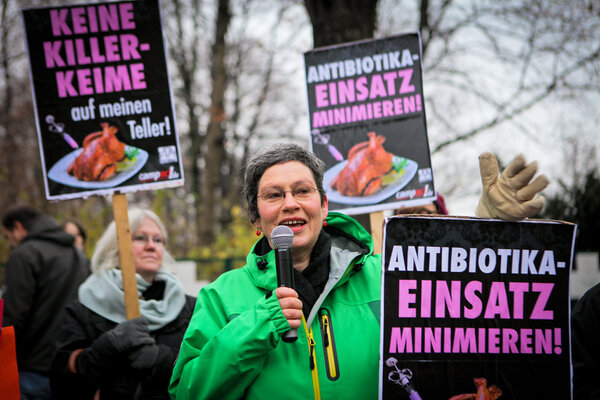
Antimicrobial resistance prevention and education in schools

A brief for education policy-makers and school practitioners

Antimicrobial resistance prevention and education in schools
Photo: campact/flickr.com; CC BY-NC 4.0 Deed
08.04.2025 – World Health Organization

Antimicrobial resistance prevention and education in schools

A brief for education policy-makers and school practitioners

"Antimicrobial resistance (AMR) poses a threat to global health, food security and achieving the 2030 Sustainable Development Goals (SDGs). Tackling AMR is critical to preserving the world’s ability to treat diseases in humans, animals, and plants, reduce risks to food safety and security, protect the environment and maintain progress towards achieving the SDGs. Children and youth today will face the consequences of inaction and increased risks of AMR. In response, six organizations - the Food and Agriculture Organization of the United Nations (FAO), the United Nations Environment Programme (UNEP), the United Nations Educational, Social and Cultural Organization (UNESCO), the United Nations Children’s Fund (UNICEF), the World Health Organization (WHO) and the World Organisation for Animal Health (WOAH) - recognize that young people can play an important role in bringing together wider society and stakeholder groups to tackle AMR."

07.04.2025 – WHO-TDR (For research on diseaes of poverty)

Power and responsibility in global health

PODCAST: Global Health Matters

Power and responsibility in global health
Hani Kim and Seye Abimbola. Photo: © Global Health Matters/ Screenshot
07.04.2025 – WHO-TDR (For research on diseaes of poverty)

Power and responsibility in global health

PODCAST: Global Health Matters

"In this episode, we turn the lens on ourselves as the global health community. Host Garry Aslanyan speaks with Hani Kim and Seye Abimbola about how elite global health actors can marginalize local perspectives and knowledge. They stress the importance of localizing efforts and acknowledging implicit biases to address the structural inequalities that perpetuate health disparities. Seye Abimbola is Associate Professor at the University of Sydney School of Public Health and inaugural editor-in-chief of BMJ Global Health, and Hani Kim is Executive Director of the Research Investment for Global Health Technology (RIGHT) Foundation in South Korea."

Digitale Gesundheit

08.04.2025 – Health Promotion International

Health promotion and the digital determinants of health

By Louise Holly, Soe Yu Naing, Hannah Pitt, Samantha Thomas, Ilona Kickbusch

Health promotion and the digital determinants of health
Pexels Foto von Egor Komarov
08.04.2025 – Health Promotion International

Health promotion and the digital determinants of health

By Louise Holly, Soe Yu Naing, Hannah Pitt, Samantha Thomas, Ilona Kickbusch

"The concept of determinants of health has evolved significantly over time. The Industrial Revolution marked a shift in thinking about health determinants, moving from a focus on individual factors to a broader recognition of how social, economic, and environmental conditions shape population health. The Digital Revolution and the growing role of artificial intelligence (AI) are broadening our understanding of health determinants further, raising new questions about what influences health and well-being in the modern world. The health promotion community has always been at the forefront of efforts to address the determinants of health, advocating for multisectoral action and policy responses that tackle structural inequalities and challenge the practices of health-harming industries. In the face of new opportunities and problems presented by digital transformations, the health promotion community has now been called on to lead the charge in addressing the digital determinants of health (Kickbusch and Holly 2023)."

08.04.2025 – Devex

Gates Foundation to fund AI scaling hubs in Africa

The Gates Foundation is investing $7.5 million in a new AI Scaling Hub in Rwanda to boost innovation in health, agriculture, and education — part of a broader effort to scale AI across Africa.

Gates Foundation to fund AI scaling hubs in Africa
Pexels Foto von Asad Photo Maldives
08.04.2025 – Devex

Gates Foundation to fund AI scaling hubs in Africa

The Gates Foundation is investing $7.5 million in a new AI Scaling Hub in Rwanda to boost innovation in health, agriculture, and education — part of a broader effort to scale AI across Africa.

"The Gates Foundation has signed a three-year, $7.5 million partnership to scale artificial intelligence innovations in Rwanda, on the sidelines of the Global AI Summit on Africa. The summit, convened by the Centre for the Fourth Industrial Revolution and the Rwandan Ministry of ICT & Innovation in collaboration with the World Economic Forum, was held last week in Kigali. Trevor Mundel, president of global health at the Gates Foundation, and Paula Ingabire, Rwanda’s minister of ICT and innovation, signed a memorandum of understanding to establish the Rwanda Artificial Intelligence Scaling Hub."

Sexuelle und reproduktive Gesundheit und Rechte

31.03.2025 – devex

Opinion: How we must rethink the future of women’s and children’s health

Opinion: How we must rethink the future of women’s and children’s health
photo: ©cdc/unsplash
31.03.2025 – devex

Opinion: How we must rethink the future of women’s and children’s health

"As Western governments slash billions in foreign aid budgets, women and children in the world's most vulnerable communities face a grim reality: The fragile health systems they depend on are crumbling. These cuts aren't merely financial adjustments — they represent potential death sentences for millions who rely on donor-funded health care programs."

25.03.2025 – Project Syndicate

The Internal Challenge to Afghanistan’s Ban on Girls’ Secondary Education

The Internal Challenge to Afghanistan’s Ban on Girls’ Secondary Education
Photo: ResoluteSupportMedia/flickr.com; CC BY 4.0 Deed
25.03.2025 – Project Syndicate

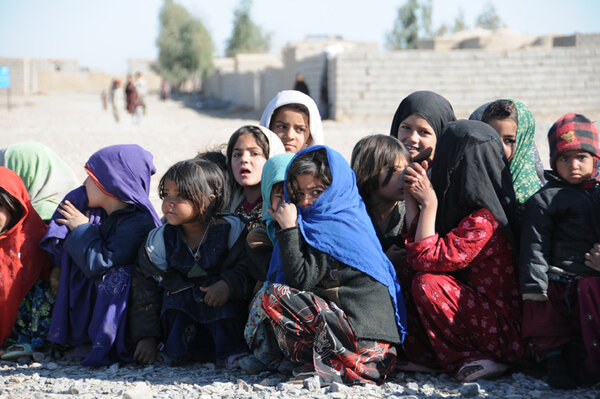
The Internal Challenge to Afghanistan’s Ban on Girls’ Secondary Education

"Since reclaiming power in 2021, the Taliban have systematically denied Afghan girls and women their rights to education, employment, and freedom of movement. Now, as internal divisions shake the regime, there is a real chance that the ban on girls’ education may finally be lifted. (...) Nowhere is the fight for the rights of girls and women more urgent than in Afghanistan, where the Taliban’s return to power in 2021 has led to egregious human rights violations, including the exclusion of girls from secondary education. Now, after yet another Afghan school year has begun without girls beyond sixth grade, a rift within the regime offers hope that the ban may be reversed in the near future."

17.03.2025 – Aids Hilfe Schweiz

Zero Discrimination Day: Diskriminierung von Menschen mit HIV in der Schweiz weiterhin allgegenwärtig

Zero Discrimination Day: Diskriminierung von Menschen mit HIV in der Schweiz weiterhin allgegenwärtig
photo: © Aids Hilfe Schweiz
17.03.2025 – Aids Hilfe Schweiz

Zero Discrimination Day: Diskriminierung von Menschen mit HIV in der Schweiz weiterhin allgegenwärtig

"Trotz medizinischen Fortschritts und gesellschaftlicher Sensibilisierung ist die Diskriminierung von Menschen mit HIV in der Schweiz ein ungelöstes, drängendes Problem. Anässlich des Zero Discrimination Day am 1. März veröffentlicht die Aids-Hilfe Schweiz einen Bericht über die im Jahr 2023 eingegangenen Diskriminierungsmeldungen und ruft dazu auf, Menschen mit HIV respektvoll zu begegnen."

Pandemic preparedness

07.04.2025 – Health Policy Watch (HPW)

What’s New in the Latest Draft Pandemic Agreement?

World Health Organization (WHO) member states have entered their final week of scheduled negotiations on the pandemic agreement (PA), amid renewed urgency following the United States withdrawal from the organization and widespread aid cuts that carry serious implications for global health.

What’s New in the Latest Draft Pandemic Agreement?
Pexels Foto von Edward Jenner
07.04.2025 – Health Policy Watch (HPW)

What’s New in the Latest Draft Pandemic Agreement?

World Health Organization (WHO) member states have entered their final week of scheduled negotiations on the pandemic agreement (PA), amid renewed urgency following the United States withdrawal from the organization and widespread aid cuts that carry serious implications for global health.

"The newly released policy brief “What’s new in the draft Pandemic Agreement?” shows how the draft agreement builds on lessons from COVID-19 by proposing a systemic approach to pandemic prevention, preparedness, and response (PPPR). The analysis is structured in three parts: (1) a comparison with the amended International Health Regulations (IHR) to understand why a new instrument was deemed necessary and how the two frameworks could work together; (2) a thematic grouping of related articles, illustrating the integrated logic of the draft text; and (3) a focus on the ‘green’ provisions—articles already broadly agreed—which introduce meaningful innovations and mark progress beyond existing international health law."

Offene Stellen im MMS Netzwerk

03.04.2025 – IAMANEH Schweiz

IAMANEH Schweiz: Praktikant*in Kommunikation / Programm (60%)

Bewerbungsfrist: 22. April 2025

IAMANEH Schweiz: Praktikant*in Kommunikation / Programm  (60%)
Foto: © Logo IAMANEH
03.04.2025 – IAMANEH Schweiz

IAMANEH Schweiz: Praktikant*in Kommunikation / Programm (60%)

Bewerbungsfrist: 22. April 2025

IAMANEH Schweiz ist eine Organisation der internationalen Zusammenarbeit mit Sitz in Basel. Wir engagieren uns für die Gesundheit und die Rechte von Frauen und Mädchen und die Gleichstellung der Geschlechter - in enger Zusammenarbeit mit lokalen Organisationen in Westafrika und Südosteuropa. Für unsere Geschäftsstelle in Basel suchen wir vom 1. Juli bis 31. Dezember 2025 eine*n Praktikant*in (60%) Kommunikation / Programm. Aufgaben: Unterstützung bei der Vorbereitung und Durchführung des Filmfestivals FRAUENSTARK! in Basel, des Filmfestival femmes in Genf sowie der Bewerbung der Filmfestivals, insbesondere via Social Media. Die Festivals finden ab Mitte November statt. • Erstellen von Inhalten für unsere Social-Media-Kanäle, Website und Publikationen • Redaktionelle Aufgaben • Allgemeine administrative und organisatorische Aufgaben, Mitarbeit auf der Geschäftsstelle. Bewerbungen bis spätestens 22. April online unter info@iamaneh.ch.

Veranstaltungen

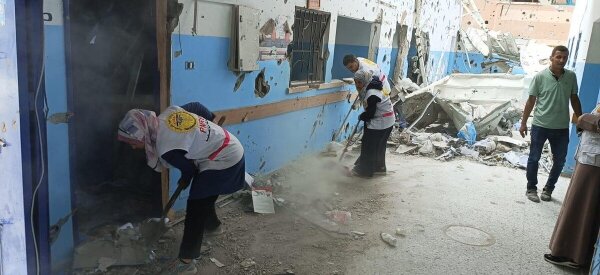
Health under attack – how to enforce international law?
09. April 2025 – 14.00-17.00, Progr Bern, Kleine Bühne

MMS Round Table - in cooperation with medico international Switzerland

Health under attack – how to enforce international law?

Medicus Mundi Schweiz / medico international Switzerland Attacks on healthcare facilities and personnel have increased immensely in recent years. Whether in Sudan, Kurdistan or Ukraine, the destruction of healthcare infrastructure seems to have become a strategy. Using concrete examples, our round table will look at the importance of the specific protection of healthcare facilities and personnel in the context of war and conflict and ask how the enforcement of international law can be strengthened. With representatives from the Kurdish Red Crescent, Médecins du Monde and medico international, among others.

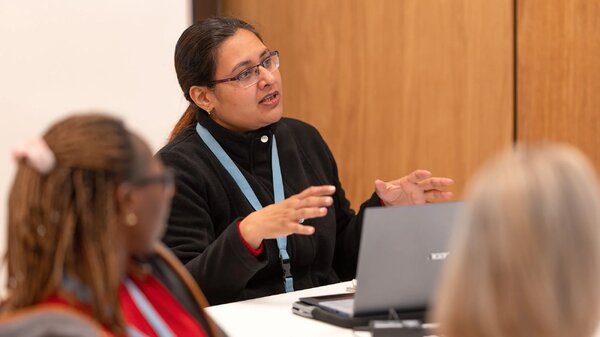
Sexual and Reproductive Rights in the Digital Age: Tackling Threats and Seizing Opportunities
30. April 2025 – 9:30am - 4.00pm, Hotel Kreuz, Bern, Switzerland

MMS Conference: 30 April 2025 in Bern

Sexual and Reproductive Rights in the Digital Age: Tackling Threats and Seizing Opportunities

Medicus Mundi Switzerland In an era where digital innovation reshapes nearly every facet of our lives, the health sector finds itself at the intersection of unprecedented opportunity and significant challenge. Artificial intelligence (AI) and in particular social media have transformed the ways we access information, deliver services, and engage with communities on critical issues like sexual and reproductive health and rights (SRHR).

CAS Health Systems and Management - Study at Swiss TPH
19. Mai 2025 – Location: Belo Horizonte, Allschwil, Switzerland

19 May - 20 June 2025 (5 weeks, 11 ECTS); Application Deadline: 16 March 2025

CAS Health Systems and Management - Study at Swiss TPH

Swiss TPH "The Certificate of Advanced Studies in “Health Systems and Management (CAS HSM)” provides international participants with the competencies to plan sustainable improvements to healthcare systems that take into account diverse cultural settings and social and ethical responsibilities. Participants also acquire the ability to communicate and work in a professional and managerial manner in a multidisciplinary environment. With a focus on practical application and interactive training, participants of the CAS HSM benefit from engaging with experts from various fields and with the international and diverse student body participating in the full-time Diploma of Advanced Studies in “Health Care and Management: From Research to Implementation” (DAS HCM) course."

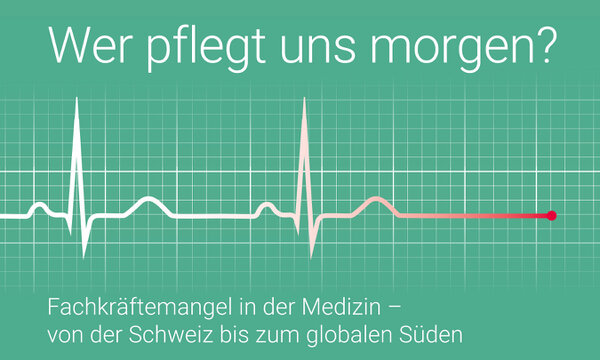
Podiumsdiskussion: Wer pflegt uns morgen?
22. Mai 2025 – Glockenhof Zürich, Sihlstrasse 33

Podiumsdiskussion: Wer pflegt uns morgen?

Solidarmed Diese öffentliche Podiumsdiskussion beleuchtet Ursachen, Auswirkungen und mögliche Lösungsansätze des Fachkräftemangels im Gesundheitswesen und schlägt eine Brücke zwischen den Herausforderungen in der Schweiz und jenen im globalen Süden.

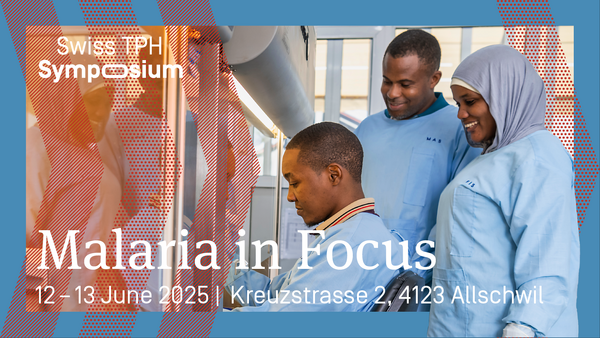
Malaria in Focus: From Research to Global Action
12. Juni 2025 – Swiss TPH, Kreuzstrasse 2, 4123 Allschwil, Switzerland

Swiss TPH Symposium 12-13 June 2025

Malaria in Focus: From Research to Global Action

Swiss TPH "Malaria remains one of the most pressing global health challenges, requiring partnerships and a multidisciplinary approach to drive effective and sustainable progress. Join leading experts from academia, international organizations, and the public and private sectors to share insights and discuss innovative solutions to reinvigorate our fight against malaria. Together, we will explore how to bridge gaps in research, policy, and implementation, integrate scientific innovations into equitable and effective strategies, and ensure lasting progress in increasingly uncertain times."

Integrated People-Centred Care
02. September 2025 – 09:15 - 17:00 CEST, Swiss TPH Kreuzstrasse 2 4123 Allschwil Switzerland

Integrated People-Centred Care

Swiss Tropical and Public Health Institute "The rising burden of chronic conditions and disabilities, driven by ageing populations and widening health inequities, demands a shift towards integrated, people-centred care. How can we bridge gaps across health and social systems to improve care experiences and outcomes? How do we ensure innovative solutions translate into equitable and effective strategies? Join experts from academia, healthcare, public administration and the private sector to explore solutions through interdisciplinary collaboration, digital innovation and policy reform. Discussions will cover: Integrated models for chronic disease management; Digital tools to enhance care coordination; Determinants of health; Patient and provider perspectives on care experiences."