Le gouvernement américain étend la règle du bâillon mondial (ou la politique de Mexico City), cette fois-ci également contre la diversité et l'inclusion. Cette orientation idéologique met en péril les programmes de santé mondiaux. Et elle remet en question les investissements de l'industrie pharmaceutique aux États-Unis.
Depuis Ronald Reagan, les présidents conservateurs américains ont cessé de soutenir financièrement les organisations qui proposent des consultations ou pratiquent des avortements dans le monde entier. C'est déplorable, mais bien connu. Il fallait donc s'attendre à ce que l'administration américaine actuelle agisse de la même manière.
Mais le vice-président JD Vance a annoncé une mesure plus radicale : la règle du bâillon mondial (ou la politique de Mexico City) doit être étendue afin d'exclure également les approches en faveur de la diversité, de l'égalité et de l'inclusion. Le vice-président néo-catholique présente cela comme une politique pro-vie cohérente. Le fait que cet argument ne soit pas vraiment compréhensible montre qu'il s'agit avant tout d'idéologie.
Une idéologie qui peut toutefois avoir des conséquences mortelles. Lorsque des groupes sociaux spécifiques – tels que les hommes ayant des relations sexuelles avec des hommes, les travailleurs du sexe ou, de manière générale, les personnes qui ne correspondent pas à la norme hétérosexuelle – sont exclus des programmes de santé publique, la situation sanitaire de l'ensemble de la population se détériore.
On pourrait objecter que l'administration américaine s'est de toute façon largement retirée de ses responsabilités internationales et que l'extension de la politique de Mexico-City n'a donc plus guère d'importance. Cet argument néglige que le gouvernement américain continue de s'engager en faveur de la santé globale et souhaite, par exemple, continuer à cofinancer le Fonds mondial de lutte contre le sida, la tuberculose et le paludisme.
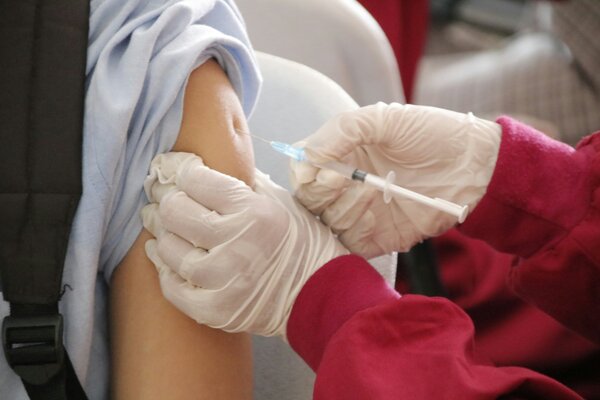
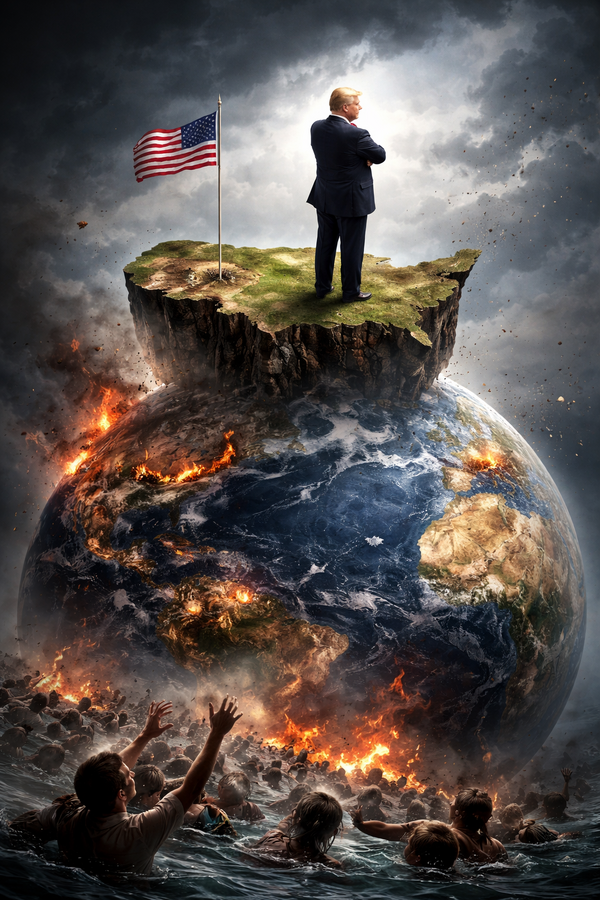
Mais une autre question se pose à moi : sous la pression considérable des droits de douane, l'industrie pharmaceutique a fait d'importantes concessions à ce gouvernement américain et s'est engagée à réaliser des investissements considérables aux États-Unis, un pays dont le gouvernement s'éloigne de plus en plus des preuves scientifiques dans le domaine de la santé pour se tourner vers des courants idéologiques obscurs. L'extension prévue de la politique de Mexico City, après des déclarations ouvertement sceptiques à l'égard des vaccins et d'autres mesures hostiles à la science, en est une nouvelle illustration.
Comment l'industrie pharmaceutique peut-elle encore justifier des investissements dans un tel endroit ?
Martin Leschhorn Strebel
Dirécteur du Reseau MMS

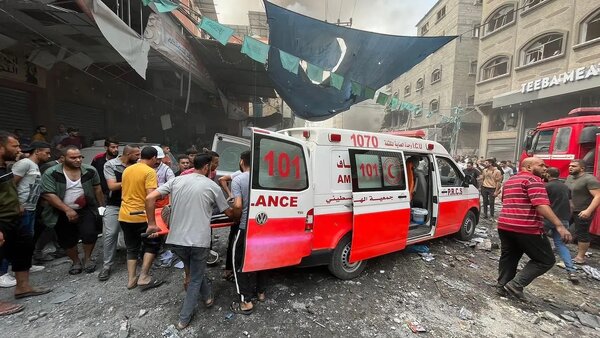
"Les organisations humanitaires internationales opérant en territoire palestinien occupé avertissent que les récentes mesures d’enregistrement imposées par Israël menacent de mettre un terme à leurs opérations, à un moment où les civils font face à des besoins humanitaires aigus et généralisés, malgré le cessez-le-feu à Gaza. "
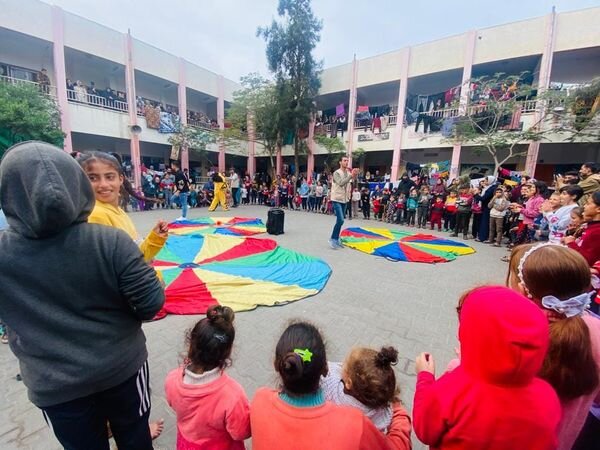
La situation humanitaire dans la bande de Gaza est précaire. La population civile souffre terriblement des conséquences du conflit et n’a pratiquement plus accès à une prise en charge médicale. Les conditions hivernales ajoutent encore à la détresse des habitantes et habitants. La Croix-Rouge suisse (CRS) soutient le travail du Croissant-Rouge palestinien (CRP) sur place.
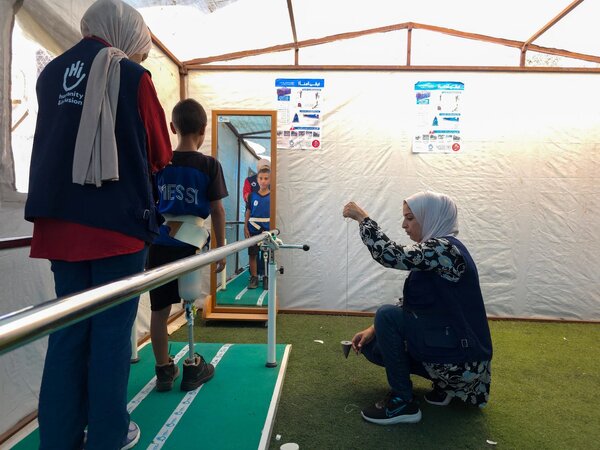
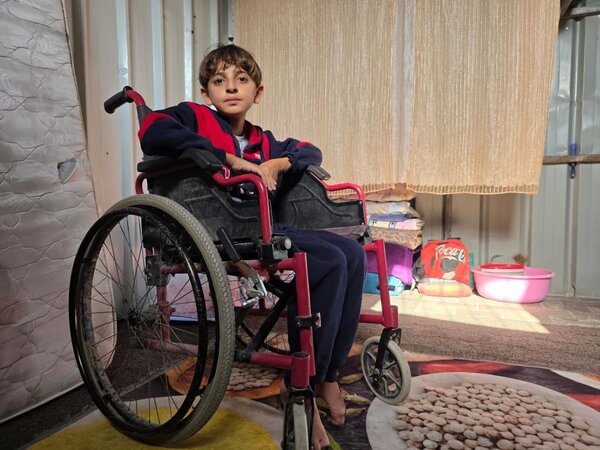
"À 11 ans, l’histoire de Basheer à Gaza met en lumière le quotidien des enfants handicapés sous les bombes. Elle souligne aussi l'importance des ONG, telles que Handicap International, qui agissent pour leur redonner une vie normale."
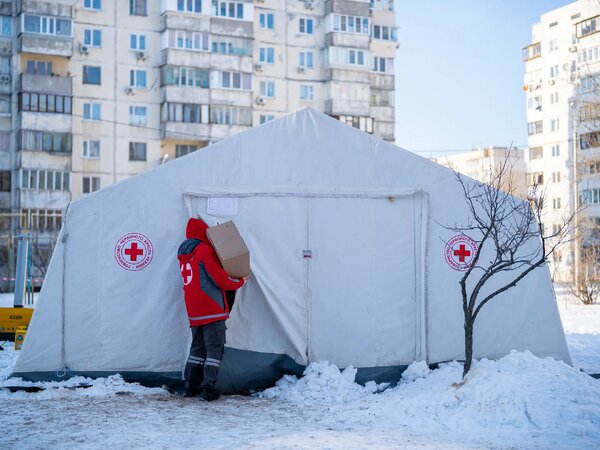
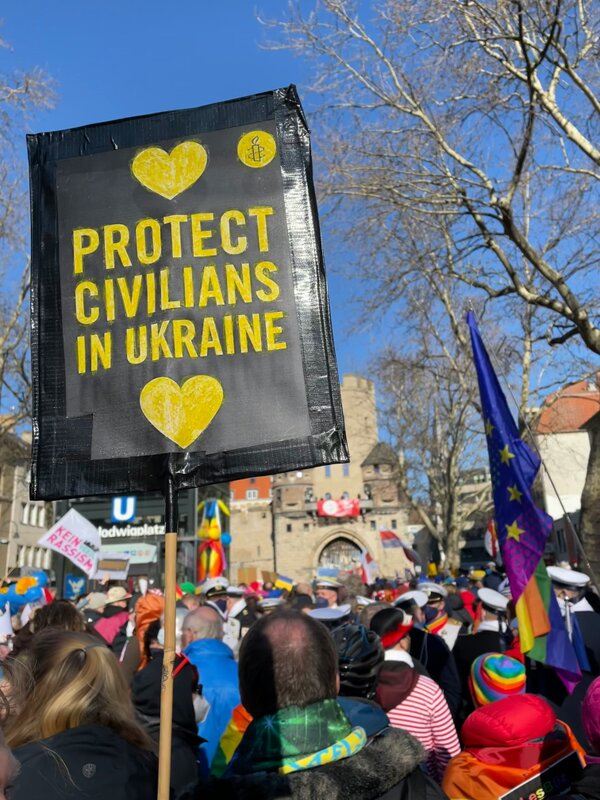
La Croix-Rouge suisse renforce son aide pour l’Ukraine. Elle soutient la Croix-Rouge ukrainienne qui met en place des espaces chauffés et des solutions énergétiques mobiles, distribue des repas chauds et assiste les personnes les plus vulnérables. Dans tout le pays, des centaines de milliers de personnes se retrouvent sans électricité, sans chauffage et sans eau, par des températures hivernales qui peuvent descendre jusqu’à -20°C.
Alors qu'en 2026 l’impérialisme reprend son envol et le néocolonialisme ne faiblit pas, provoquant des violences sans fin, la CSSR souhaite annoncer une prise de position solidaire approuvée lors de la dernière assemblée générale de la Fédération genevoise de coopération. Les associations membres ont décidé de dénoncer le génocide en cours à Gaza et marquer leur soutien au peuple palestinien. Nous encourageons toutes les associations et fédérations suisses à suivre l'exemple!
Over the past two decades, global efforts against NTDs have reduced disease burden and improved people’s health and well-being in many settings. What comes next will depend on whether we have the tools – such as safe and efficacious drugs, vaccines and development pipelines – needed to build on these gains and extend them further. On World NTD Day 2026, Swiss TPH Director Jürg Utzinger reflects on why drug discovery and development remain central to the future of NTDs, and what this means for the road ahead.
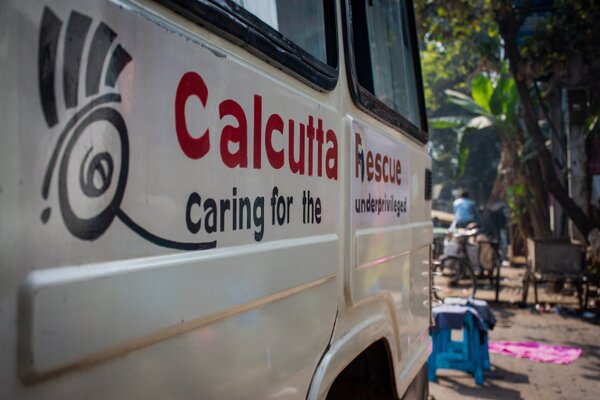
Stiftung Calcutta Rescue travaille étroitement sur place avec les organisations DSS et Kolkata Mary Ward Social Centre KMWSC Toutes deux disposent d'une longue expérience dans le domaine du développement communautaire et contribuent de manière importante à l'amélioration des conditions de vie des populations défavorisées en Inde.
"Soaking fabrics in a commonly used insect repellent is a simple and effective tool as mosquito bites become more common during daytime, study shows"
"The $9.4 billion package agreed to by the US Senate and House Appropriations Committees, is more than double the $3.7 billion requested by the Trump Administration, and signals bipartisan support for maintaining significant global health aid – although the package still must be approved by both Senate and House, and could also be vetoed by president following passage."
"Fears over the side effects of COVID-19 jabs, which led to initial vaccine hesitancy, mostly gave way to acceptance in the course of the pandemic, with only a small minority remaining unvaccinated due to deep-seated mistrust, a new major study published in The Lancet finds."
"The World Economic Forum’s (WEF) latest report on acting early on noncommunicable diseases (NCDs) signals more than urgency. It signals a shift in what counts. Beneath familiar calls for earlier action sits a quieter move: a re-ordering of NCD priorities themselves. Some diseases now sit firmly at the centre of the agenda. Others, no less prevalent or consequential, are absent or muted."
"Access to treatment for leprosy is essential to global efforts to eliminate leprosy, says the World Health Organization (WHO) ahead of World Leprosy Day, to be observed on 25 January."
"Recent cuts to foreign aid have threatened to reverse decades of progress for Africa’s health sector, highlighting the urgent need for more sustainable, locally owned solutions. Digital public infrastructure, or DPI, could prove an essential component in this reimagining of health care across the continent — if done right, said experts. "Historically, many African countries have relied on external donors to fund digital health projects. But these were often discrete and lacked integration with other digital services, making them less effective than they could have been."an digital public infrastructure reshape donor-reliant health systems?
"Health experts met in Davos to discuss challenges and opportunities for the future of global health. Here are the key takeaways. From artificial intelligence to mental health, and healthy lifestyles, global health experts discussed the future challenges at Davos 2026 amid the growing crises worldwide. Health remained a central pillar of the World Economic Forum’s agenda with leaders stressing prevention, accessibility, and technology’s role in strained systems. These are the health topics that dominated the conversation at Davos."
Der Austritt der USA aus der Weltgesundheitsorganisation tritt heute in Kraft. Damit hinterlässt das Land eine große Lücke. China könnte diese nutzen, um die eigene Macht auszubauen.
"President Donald Trump’s decision to withdraw the United States from 66 international organizations is ostensibly aimed at cutting waste, but the inclusion of agencies supporting girls and women underscores the move’s arbitrariness and vindictiveness. It will have dire consequences for people around the world"
"Development charity’s new co-chief executives signal shift from controversial sponsor a child scheme launched in 1972 to long-term grassroots funding."
"States will stare down a funding cliff and a legal limbo caused by Washington’s messy departure at the World Health Organization’s executive board meeting this week in Geneva."
"Ukraine and its front-line allies unleashed a storm of criticism over Russia’s relentless attacks on Ukraine’s energy and health infrastructure in WHO’s Executive Board meeting Wednesday – condemning the Russian Federation for “weaponizing winter to make cities go dark, hospitals fail and civilians suffer.”"
The World Health Organization (WHO) Executive Board faced a grim reckoning on Thursday in a report detailing how global progress on maternal, infant and child nutrition has largely stalled or even regressed. Notably, six critical nutrition targets remain “off track,” with rising rates of anaemia and childhood obesity sliding back, threatening to reverse years of development gains, according to a report reviewed by the EB.
Opinion: The upcoming World Health Assembly can accelerate the responsible use of artificial intelligence in health by grounding action in the ethical and responsible access and use of health data.
Schweizerisches Tropen- und Public Health-Institut (Swiss TPH) Leadership is a vital part of achieving international health goals and is critical to the success of efforts to reduce inequality and improve health. However, the rapidly changing environment and huge variations in available health resources make leadership in health a complex and constantly evolving issue. This course seeks to impart key concepts and experiences of leadership in health to those engaged in or entering public and international health roles basing it on leadership theories, professional leadership reflective practice based on self-awareness of personality traits as well as ability to deal with power and distance, solve conflicts and collaborate with stakeholders across sectors for the population health benefit.
Swiss Tropical and Public Health Institute Unleash the full potential of your management and leadership skills in global health and shape the future landscape of health! Join the information session to explore how the flexible programme can support your career goals, meet the Study Directors, and ask your questions.
Schweizerisches Tropen- und Public Health-Institut (Swiss TPH) Der Kurs Internationale Zusammenarbeit vermittelt die Grundlagen soziokultureller, kulturgeographischer und ökologischer Zusammenhänge im globalen Kontext. Dabei richten sich die ersten beiden Kurswochen (Blockkurs Vernetzte Welt) sowohl an Personen, die primär in der Schweiz/Europa tätig sind, als auch an Personen, die sich auf die internationale Zusammenarbeit im weiteren Sinne vorbereiten möchten. Beide Tätigkeitsfelder sind mit Themen wie Kultur-Religion-Gesellschaft, interkulturelle Kommunikation und Migration konfrontiert.
Swiss Tropical and Public Health Institute "The advanced studies programmes in Health Care and Management provide international participants with the core competencies for understanding and reacting to health challenges at a world-leading institute in global and public health. Join our lively information session to find out more and talk to the Study Director."