Nouvelles MMS du 11.05.2026

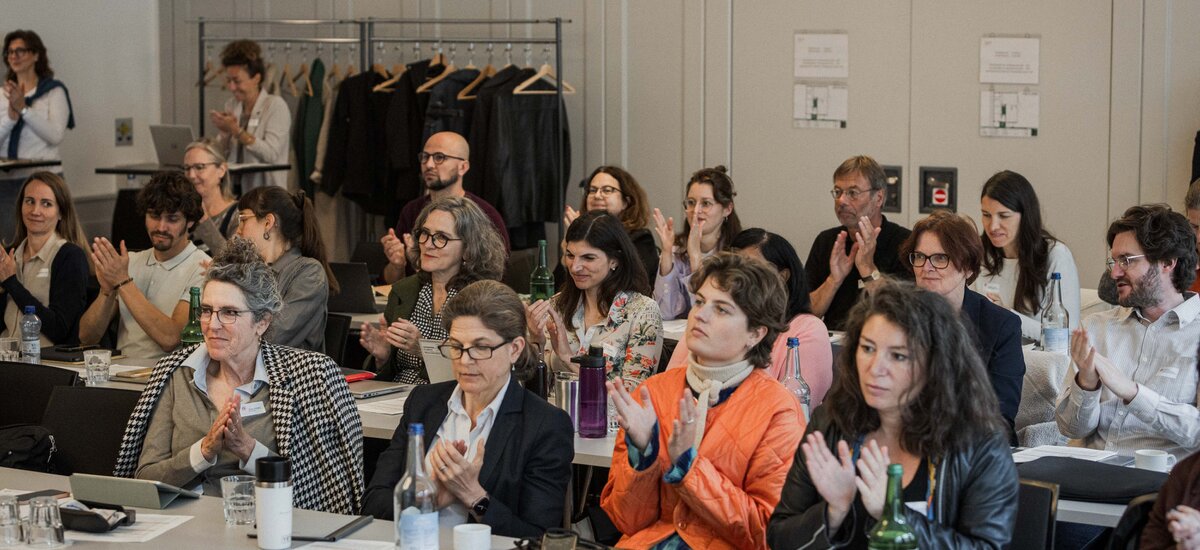
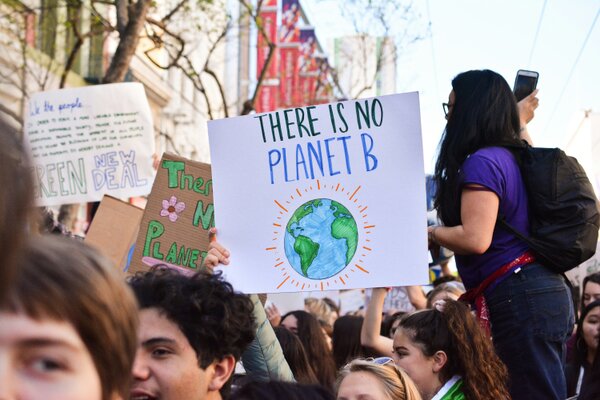
La crise climatique entraîne des répercussions directes et profondes sur la santé et les droits sexuels et reproductifs (SDSR). Lors d’une conférence réunissant des expert·e·s internationaux·ales issus·es des milieux politiques, de la recherche et de la pratique, un constat s’est imposé : les liens sont établis depuis longtemps, mais la mise en œuvre politique et l’intégration systémique restent insuffisantes.

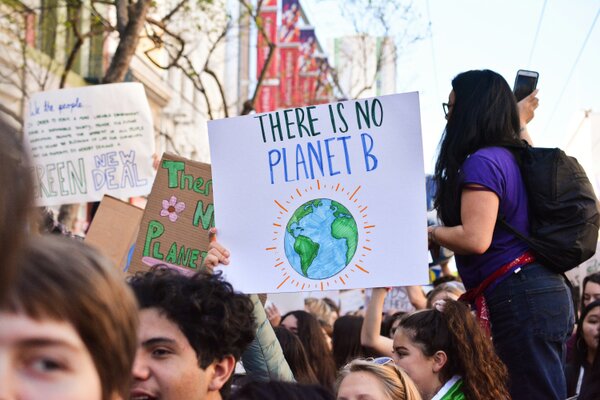
Le changement climatique est aussi une crise sanitaire, et nous continuons à détourner le regard
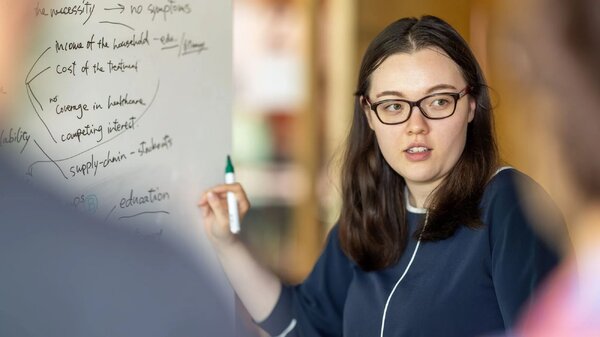
photo: ©Daniel Rihs/Medicus Mundi Suisse

La crise climatique entraîne des répercussions directes et profondes sur la santé et les droits sexuels et reproductifs (SDSR). Lors d’une conférence réunissant des expert·e·s internationaux·ales issus·es des milieux politiques, de la recherche et de la pratique, un constat s’est imposé : les liens sont établis depuis longtemps, mais la mise en œuvre politique et l’intégration systémique restent insuffisantes.

La hausse des températures, les phénomènes météorologiques extrêmes et la fragilité des systèmes de santé mettent déjà en danger la santé des femmes et des filles dans le monde. Les risques liés à la grossesse et à l’accouchement augmentent, l’accès aux services de santé est interrompu, et la violence ainsi que les mariages précoces se multiplient dans les situations de crise. Les groupes marginalisés, notamment les femmes en situation de handicap ou celles vivant dans des contextes fragiles, sont particulièrement touchés.

Les preuves existent, mais des lacunes subsistent

Les recherches actuelles montrent des liens clairs entre les facteurs climatiques et les conséquences négatives sur la santé sexuelle et reproductive. Dans le même temps, il existe d’importantes lacunes dans les données, notamment sur des thèmes tels que la contraception, l’avortement sécurisé et les réalités de vie des femmes concernées. Jusqu’à présent, les plans nationaux d’adaptation au changement climatique ne tiennent pas suffisamment compte de la santé et des droits sexuels et reproductifs.

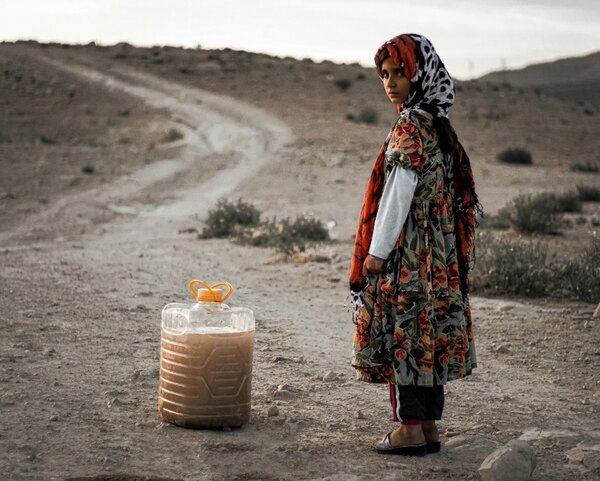
Les exemples issus de pays tels que la Gambie, le Népal et le Bangladesh illustrent les effets concrets du changement climatique : la pénurie d’eau, les infrastructures détruites et l’absence de services de santé aggravent les risques sanitaires et les inégalités. Les femmes portent un double fardeau, en tant que victimes et en tant qu’actrices centrales dans la gestion de la crise.

« Le changement climatique se vit sur le terrain – sous forme de pénurie d’eau, d’accouchements à risque et d’un manque d’accès aux soins. Cette réalité doit se refléter davantage dans les décisions politiques », explique Pernille Fenger, directrice de l’UNFPA.

De la connaissance à l’action : par où commencer maintenant ?

Ce n’est pas de connaissances qu’il manque, mais de mise en œuvre. Les principaux domaines d’action sont les suivants :

  • Intégrer systématiquement la santé et les droits sexuels et reproductifs (SDSR) comme élément central des politiques climatiques et sanitaires
  • Renforcer les systèmes de santé qui garantissent l’accès aux services de SDSR même en période de crise
  • Ancrer de manière cohérente l’égalité et l’inclusion, en particulier pour les groupes marginalisés
  • Accroître les investissements dans la collecte de données et la recherche, en particulier sur les réalités de la vie et en tenant compte des différentes formes de discrimination ;
  • Déployer à plus grande échelle les solutions locales et transposer les approches efficaces dans les systèmes nationaux et mondiaux ;
  • Prendre davantage en compte les liens avec l’alimentation et les systèmes climatiques afin de promouvoir des approches holistiques ;
  • Renforcer la responsabilité politique et établir des obligations claires de redevabilité.

Le message central de la conférence est clair : la santé et les droits sexuels et reproductifs ne doivent plus être ignorés dans le débat sur le climat. Sans l'intégration de la santé, de l'égalité et des déterminants sociaux, la politique climatique ne sera ni efficace ni équitable.

Carine Weiss
Responsable de projet, MMS
Focus: MMS Conference: Entre sécheresse et dignité : comment le changement climatique menace la santé et les droits sexuels et reproductifs.

Entre sécheresse et dignité : comment le changement climatique menace la santé et les droits sexuels et reproductifs.
29. avril 2026 – 9:30am - 4.00pm, Hotel Kreuz, Bern, Switzerland

MMS Conference: 29 avril à Berne
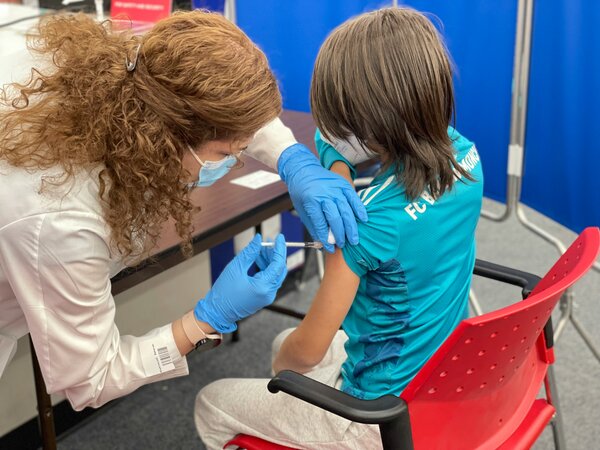
Entre sécheresse et dignité : comment le changement climatique menace la santé et les droits sexuels et reproductifs.

Medicus Mundi Switzerland Medicus Mundi Suisse Le changement climatique n’est pas neutre du point de vue du genre — et il n’est pas non plus neutre en matière de droits. À mesure que la crise climatique s’intensifie, ses effets se croisent de plus en plus avec la santé et les droits sexuels et reproductifs (SDSR), aggravant les inégalités existantes et créant de nouveaux risques pour les filles, les femmes et les populations marginalisées dans le monde entier.

Les Nouvelles du Réseau MMS
30.03.2026 – Croix-Rouge Suisse

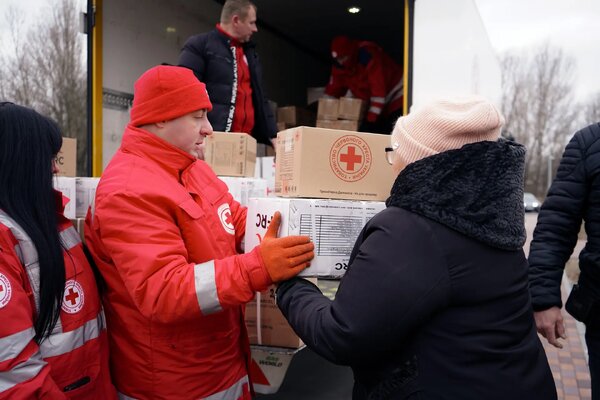
Ukraine: «La situation est oppressante»

Ukraine: «La situation est oppressante»
photo:©Croix-Rouge Suisse
30.03.2026 – Croix-Rouge Suisse

Ukraine: «La situation est oppressante»

"Voilà quatre ans que la population ukrainienne souffre de la guerre. Les besoins humanitaires sont colossaux. Lars Staring, collaborateur de la Croix-Rouge suisse (CRS), aide la Croix-Rouge ukrainienne (CRU) à obtenir davantage de moyens financiers pour l’aide humanitaire sur place. A ce titre, il se rend régulièrement à Kiev. Il raconte ses journées rythmées par les pannes d’électricité et les alertes antiaériennes."

10.04.2026 – Croix-Rouge Suisse

Conflit au Moyen-Orient: la Croix-Rouge se mobilise

Conflit au Moyen-Orient: la Croix-Rouge se mobilise
photo: ©Croix-Rouge Suisse
10.04.2026 – Croix-Rouge Suisse

Conflit au Moyen-Orient: la Croix-Rouge se mobilise

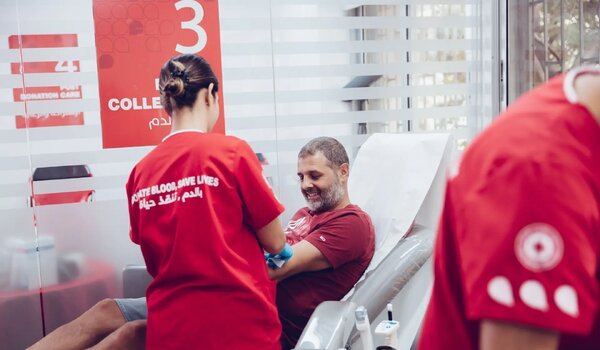
"Les bombardements ont retenti en Iran, en Israël, au Liban et dans de nombreux autres pays de la région. Les Sociétés nationales de la Croix-Rouge et du Croissant-Rouge sont mobilisées. Elles apportent premiers secours et soins médicaux."

13.04.2026 – Mission 21

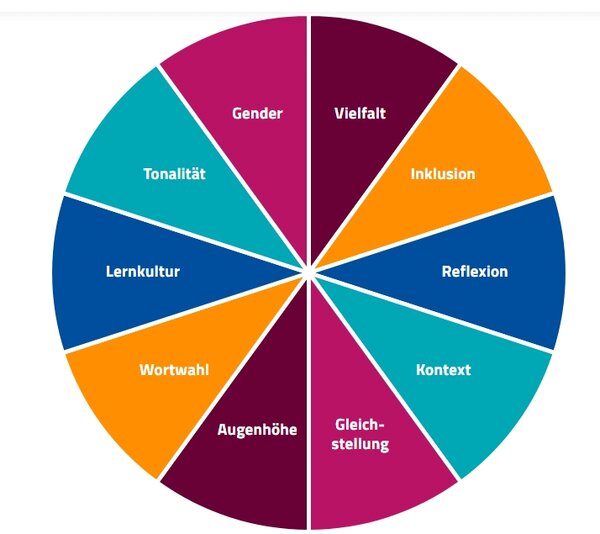
Mission 21 présente un guide linguistique pour un langage juste (en allemand)

Mission 21 présente un guide linguistique pour un langage juste (en allemand)
photo: ©mission 21
13.04.2026 – Mission 21

Mission 21 présente un guide linguistique pour un langage juste (en allemand)

"Pour Mission 21, le langage juste est plus qu'un style ou une grammaire : le langage façonne la perception et crée la réalité. Il peut permettre la participation ou renforcer l'exclusion. Ce guide est notre outil de travail pratique pour une communication équitable et inclusive. Il montre à quoi peut ressembler un langage décolonial et antiraciste. Le guide se veut une invitation à développer le langage de manière consciente et responsable."

04.05.2026 – Women's Hope International

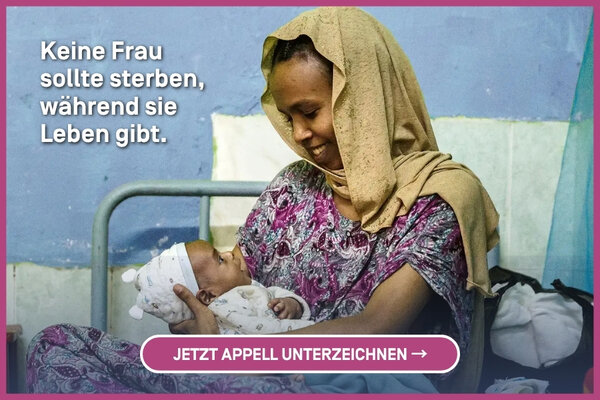
Appell für sichere Geburten – jetzt unterzeichnen!

Appell für sichere Geburten – jetzt unterzeichnen!
photo: ©women's hope international
04.05.2026 – Women's Hope International

Appell für sichere Geburten – jetzt unterzeichnen!

Regierungen weltweit kürzen ihre Gelder für die internationale Zusammenarbeit – so auch die Schweiz. Und das, obwohl die Not gross ist: Alle zwei Minuten stirbt irgendwo auf der Welt eine Frau an den Folgen von Schwangerschaft oder Geburt. Die meisten dieser Todesfälle wären vermeidbar – wenn Frauen Zugang zu Gesundheitsdienstleistungen hätten. Zu Hebammen. Notfallversorgung. Pränataler Betreuung. Grundlagen, die in vielen Ländern selbstverständlich sind – und in anderen tödlich fehlen. Doch dieses Ungleichgewicht ist kein Schicksal. Es ist eine politische Entscheidung. Darum hat Women’s Hope International einen Appell für sichere Geburten lanciert: Setze auch du ein Zeichen: Keine Frau sollte sterben, während sie Leben gibt

04.05.2026 – Schweizer Partnerschaft HAS Haiti (SPHASH)
Eine Seelenverwandschaft, der grosses Entwuchs – Das Hôpital Albert Schweitzer in Haiti wird 70

Eine Seelenverwandschaft, der grosses Entwuchs – Das Hôpital Albert Schweitzer in Haiti wird 70
photo: ©SPHASH
04.05.2026 – Schweizer Partnerschaft HAS Haiti (SPHASH)

Eine Seelenverwandschaft, der grosses Entwuchs – Das Hôpital Albert Schweitzer in Haiti wird 70

"Liebe Freund:innen des Albert Schweitzer Spitals Haiti (HAS) Am 26. Juni feiert das Hôpital Albert Schweitzer in Haiti seinen 70. Geburtstag. Seit 1956 ist das Spital für die mittlerweile 450 000 Einwohner:innen des Artibonite Tals ununterbrochen in Betrieb. Wäre es auch ohne die Freundschaft des Gründungspaares William Larimer (Larry) und Gwen Grant Mellon mit Albert Schweitzer so weit gekommen? Wir wissen es nicht. Unstrittig ist eine tiefe geistige Verbundenheit der Dreien."

04.05.2026 – Swiss Tropical and Public Health Institute

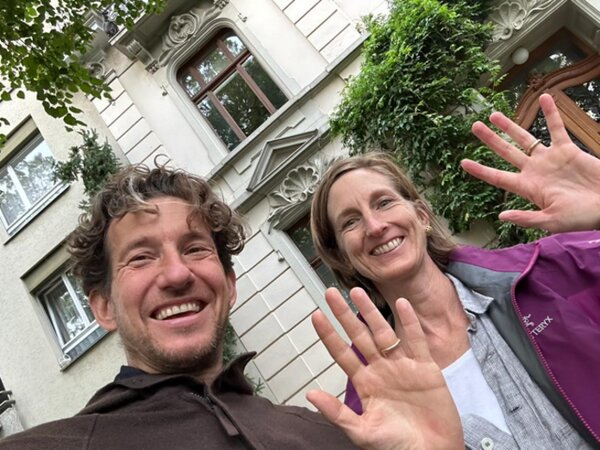
“Building trust through communication” – Alumni interview with Domenic and Jutta Ganzoni

“Building trust through communication” – Alumni interview with Domenic and Jutta Ganzoni
04.05.2026 – Swiss Tropical and Public Health Institute

“Building trust through communication” – Alumni interview with Domenic and Jutta Ganzoni

With the aim of preparing themselves thoroughly for work in international cooperation, Domenic and Jutta Ganzoni completed the CAS in International Cooperation and Global Health at Swiss TPH as a couple. Today, they reflect on their experiences – from the Swiss mountains to projects in Kenya and the Philippines.

08.05.2026 – Swiss Tropical and Public Health Institute

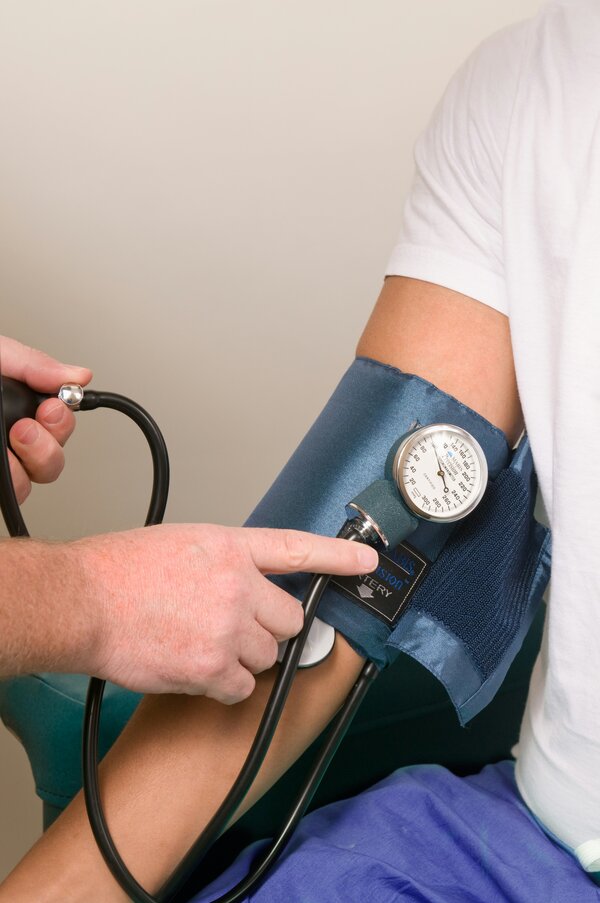
Mapping the Dynamic Complexity of Hypertension Management

Mapping the Dynamic Complexity of Hypertension Management
photo: ©cdc/unsplash
08.05.2026 – Swiss Tropical and Public Health Institute

Mapping the Dynamic Complexity of Hypertension Management

Urban health leaders sometimes face a false choice: expand treatment access or invest in prevention. We tested what actually happens when you integrate both strategies – using São Paulo's health system data. "Together with our partners, we used simulation modelling to assess the impact of integrated intervention strategies on hypertension control and cardiovascular outcomes."

07.05.2026 – Swiss Tropical and Public Health Institute

Rural Peru Mental Health Care Reforms Bring Services Closer to Communities

Rural Peru Mental Health Care Reforms Bring Services Closer to Communities
photo: ©marcel strauss/unsplash
07.05.2026 – Swiss Tropical and Public Health Institute

Rural Peru Mental Health Care Reforms Bring Services Closer to Communities

"Mental health care in Peru has long been concentrated in urban areas, leaving rural populations with limited access to support. Recent reforms are changing this by bringing services closer to communities. Swiss TPH and partners explored how these reforms are being implemented in three rural provinces in northern Peru. Drawing on interviews with service users, health workers, and community members, the study shows that having care nearby can make a real difference – helping more people seek support and stay in treatment"

27.04.2026 – Croix-Rouge Suisse

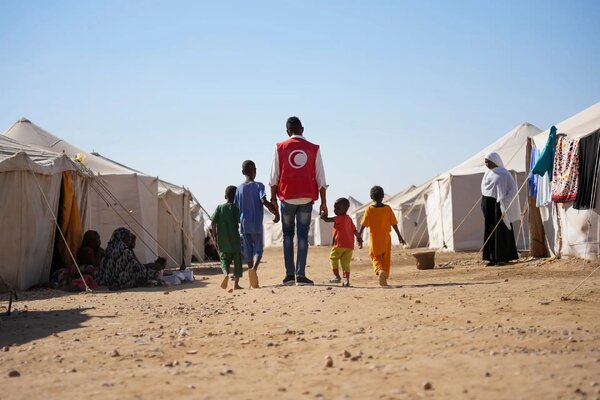
Soudan: au cœur de la crise, la Croix-Rouge agit

Soudan: au cœur de la crise, la Croix-Rouge agit
photo: ©Croix-Rouge Suisse
27.04.2026 – Croix-Rouge Suisse

Soudan: au cœur de la crise, la Croix-Rouge agit

"Depuis avril 2023, le conflit au Soudan bouleverse des millions de vies. Des familles sont contraintes de fuir, les services essentiels s’effondrent et les besoins humanitaires ne cessent d’augmenter. La Croix-Rouge suisse est mobilisée aux côtés du Croissant-Rouge soudanais. Sonia de la Cruz, déléguée de la CRS, raconte son travail face à l’ampleur des souffrances et des besoins sur place."

12.05.2026 – Croix-Rouge Suisse

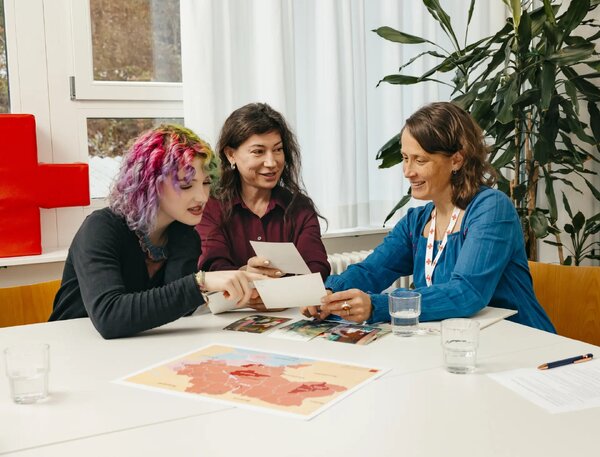
Recherche de proches en zone de conflit

Recherche de proches en zone de conflit
photo: © Croix-Rouge Suisse
12.05.2026 – Croix-Rouge Suisse

Recherche de proches en zone de conflit

"«Là, c’est moi dans les bras de ma grand-mère Lydia!», explique Sacha, le doigt pointé sur une photo. La jeune femme et sa mère, Natalya Girard, s’entretiennent avec Nicole Windlin, responsable du Service de recherches CRS, dans les bureaux de la Croix-Rouge suisse (CRS) à Wabern. Elles tenaient à remercier le Service de recherches de son soutien."

Santé globale et la Suisse

09.04.2026 – Health Policy Watch

Generations of Damage: WHO Warns of Middle East Health Collapse Amid Funding Shortfall

Generations of Damage: WHO Warns of Middle East Health Collapse Amid Funding Shortfall
photo: ©Julie Ricard/Unsplash
09.04.2026 – Health Policy Watch

Generations of Damage: WHO Warns of Middle East Health Collapse Amid Funding Shortfall

"The World Health Organization (WHO) has only mobilised 37% of the funds it needs for the Eastern Mediterranean Region (EMRO) amid a “deteriorating health situation”, regional director Dr Hanan Balkhy told a media briefing on Wednesday. Welcoming the two-week ceasefire between Iran and the United States-Israel, Balkhy called for the “permanent cessation of hostilities”, warning that the damage from the regional wars would take generations to address. She also called for the ceasefire to apply to Lebanon, which Israel claims is not covered."

27.04.2026 – World Health Organization

WHO and France shift One Health vision to action with new high-impact initiatives

WHO and France shift One Health vision to action with new high-impact initiatives
Photo: ©davi mendes/unsplash
27.04.2026 – World Health Organization

WHO and France shift One Health vision to action with new high-impact initiatives

"On World Health Day, global leaders gathered in France for a milestone “One Health Summit”, where the World Health Organization (WHO) and partners announced a new wave of concrete actions to better protect people, animals and the planet from future health crises."

09.04.2026 – Health Policy Watch

War in Iran Threatens Helium Supplies for the World’s MRI Machines

War in Iran Threatens Helium Supplies for the World’s MRI Machines
photo: ©accuray/Unsplash
09.04.2026 – Health Policy Watch

War in Iran Threatens Helium Supplies for the World’s MRI Machines

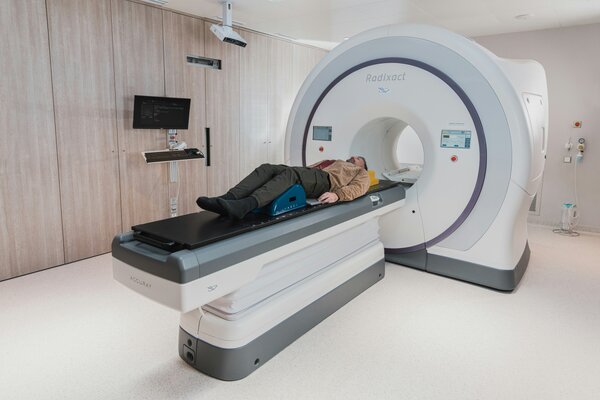
*The gas that keeps hospital MRI scanners running has been caught in the crossfire of the war in Iran, raising the prospect of diagnostic delays, rising costs and rationing of one of modern medicine’s most important imaging tools. Roughly a quarter of all helium consumed worldwide goes toward cooling the superconducting magnets inside MRI scanners. While helium is the second most abundant element in the universe, on Earth, it is found only in trace quantities within certain natural gas deposits. It cannot be synthesised and requires highly advanced equipment to transport, making its supply chain so shaky that the global current helium shortage is the fifth in the past two decades."

09.04.2026 – The Lancet Global Health

Childhood cancer: progress, but not enough

Childhood cancer: progress, but not enough
photo: ©national cancer institute/unsplash
09.04.2026 – The Lancet Global Health

Childhood cancer: progress, but not enough

"The death of a child has profound and lasting emotional consequences for families, underscoring the importance of improving survival for children with cancer. According to the CONCORD-4 study, published in The Lancet, many countries are on track not just to achieve, but to surpass, the 2018 WHO Global Initiative for Childhood Cancer target of 60% survival at 5 years for all childhood cancers by 2030. Yet this achievement masks data gaps and deep disparities in cancer care worldwide, with children in the poorest countries likely to face far lower survival rates."

13.04.2026 – World Health Organization

First-ever WHO Forum unites 800+ Collaborating Centres for stronger scientific collaboration

First-ever WHO Forum unites 800+ Collaborating Centres for stronger scientific collaboration
photo: ©bernd dittrich/unsplash
13.04.2026 – World Health Organization

First-ever WHO Forum unites 800+ Collaborating Centres for stronger scientific collaboration

"The World Health Organization (WHO) has convened the historic first Global Forum of Collaborating Centres—one of the world’s largest and most diverse public health networks—bringing together representatives from over 800 institutions designated as WHO Collaborating Centres (CCs) across more than 80 countries."

10.04.2026 – devex

ODA plummets by almost a quarter, driven by billions in US cuts

ODA plummets by almost a quarter, driven by billions in US cuts
photo: ©Khalil Radi/Unsplash
10.04.2026 – devex

ODA plummets by almost a quarter, driven by billions in US cuts

"OECD data reveals a record drop in aid led by the United States, slashing core development funding and raising fears of deepening instability across the global south."

10.04.2026 – The Guardian

World held hostage by reliance on fossil fuels, Christiana Figueres warns – and climate health impacts are ‘mother of all injustices’

World held hostage by reliance on fossil fuels, Christiana Figueres warns – and climate health impacts are ‘mother of all injustices’
photo: ©Li-An Lim/Unsplash
10.04.2026 – The Guardian

World held hostage by reliance on fossil fuels, Christiana Figueres warns – and climate health impacts are ‘mother of all injustices’

"Countries are being “held hostage” by their reliance on fossil fuels, a former UN climate chief has warned, describing the health impacts of climate change as “the mother of all injustices”."

10.04.2026 – devex

The incentives for drug manufacturing in Africa aren’t working

The incentives for drug manufacturing in Africa aren’t working
photo: ©roberto sorin/unsplash
10.04.2026 – devex

The incentives for drug manufacturing in Africa aren’t working

"Opinion: The COVID-19 pandemic revealed less about Africa’s dependence on imported medicines and more about the constraints of poor incentive structures and private manufacturers’ behavior."

10.04.2026 – Health Policy Watch

Flurry of Pledges at G7 One Health Summit

Flurry of Pledges at G7 One Health Summit
Photo: © markus spiske/unsplash
10.04.2026 – Health Policy Watch

Flurry of Pledges at G7 One Health Summit

"The European Commission announced that it will contribute €700 million to the next funding cycle of the Global Fund to Fight AIDS, Tuberculosis and Malaria at the G7 One Health Summit in Lyon on Tuesday."

13.04.2026 – Health Policy Watch

Record ODA Cuts: Top Donors Slash Aid as Global Health Risks Grow

Record ODA Cuts: Top Donors Slash Aid as Global Health Risks Grow
photo: ©igor omilaev/unsplash
13.04.2026 – Health Policy Watch

Record ODA Cuts: Top Donors Slash Aid as Global Health Risks Grow

"Historic declines in Official Development Assistance (ODA) have set international aid back a decade, prompting civil society warnings that the ODA cuts will further devastate funding for global health, education and social protection."

13.04.2026 – Health Policy Watch

Trump’s 2027 Budget Deepens Cuts to Global and Domestic Health

Trump’s 2027 Budget Deepens Cuts to Global and Domestic Health
photo: ©Alexander Mils/Unsplash
13.04.2026 – Health Policy Watch

Trump’s 2027 Budget Deepens Cuts to Global and Domestic Health

"US President Donald Trump wants to eliminate $4.3 billion from the US government’s global health budget, including all funding for the Pan-American Health Organization (PAHO), the World Health Organization’s (WHO) regional organisation for the Americas."

16.04.2026 – World Health Organization

After three years of conflict, Sudan faces a deeper health crisis

After three years of conflict, Sudan faces a deeper health crisis
Photo: © ‪Salah Darwish/Unsplash
16.04.2026 – World Health Organization

After three years of conflict, Sudan faces a deeper health crisis

"After three years of war, Sudan now accounts for the world’s largest humanitarian crisis, with 34 million people needing aid, 21 million lacking health services, and repeated attacks crippling a medical system already weakened by disease and hunger."

16.04.2026 – devex

Without strategy, US support for global health workers won’t go far

Without strategy, US support for global health workers won’t go far
photo: ©JESHOOTS/Unsplash
16.04.2026 – devex

Without strategy, US support for global health workers won’t go far

"Opinion: The U.S. has been the backbone of the global health workforce for decades. But without a clear strategy — and with looming funding cuts — that support risks unraveling. What’s at stake goes far beyond aid."

16.04.2026 – The Guardian

Effect of ‘gamechanger’ Alzheimer’s drugs ‘trivial’, review concludes

Effect of ‘gamechanger’ Alzheimer’s drugs ‘trivial’, review concludes
photo: © Laurynas Me/Unsplash
16.04.2026 – The Guardian

Effect of ‘gamechanger’ Alzheimer’s drugs ‘trivial’, review concludes

"Data assessed from 17 clinical trials of anti-amyloid drugs found no ‘meaningful effect’ on cognitive decline Drugs that have been hailed as a gamechanger for the treatment of Alzheimer’s disease make no noticeable difference to patients, according to an extensive review."

08.05.2026 – Geneva Solutions

A year after its launch, aid experts ask: humanitarian reset or rollback?

A year after its launch, aid experts ask: humanitarian reset or rollback?
photo: ©Salah Darwish/unsplash
08.05.2026 – Geneva Solutions

A year after its launch, aid experts ask: humanitarian reset or rollback?

"Amid plummeting donor contributions, particularly from the US, the UN’s aid office announced a reform plan aimed at making the sector more efficient while hyperprioritising assistance and shifting leadership more to local NGOs. A year later, aid experts question if the plan has lost its way."

17.04.2026 – devex

Devex CheckUp: The inside story of USAID’s final days

Devex CheckUp: The inside story of USAID’s final days
photo: © Mathurin NAPOLY / matnapo /Unsplash
17.04.2026 – devex

Devex CheckUp: The inside story of USAID’s final days

"n the frantic days after the Trump administration began dismantling the U.S. Agency for International Development, Nicholas Enrich was instructed to fly to Kenya and somehow gain access to 27,000 sets of personal protective equipment stored in a World Health Organization warehouse. By this point, the administration had cut ties with WHO. Enrich, who briefly led USAID’s global health bureau after 58 other officials were put on leave, had 12 hours to get there from Washington, D.C., and then get the PPE across the border to Uganda, which was in the midst of an Ebola outbreak."

17.04.2026 – Health Policy Watch

Africa’s Clean Cooking Gap Leaves 1 Billion Without Access

Africa’s Clean Cooking Gap Leaves 1 Billion Without Access
photo: ©Ian Taylor/Unsplash
17.04.2026 – Health Policy Watch

Africa’s Clean Cooking Gap Leaves 1 Billion Without Access

"Lack of access to clean cooking fuel and technologies has extensive impacts on health, environment, economy, and women’s equality, say experts at the World Bank Group Spring Meeting."

08.05.2026 – Health Policy Watch

Smaller Pharma Companies to Bear Brunt of Trump’s 100% Medicine Tariff

Smaller Pharma Companies to Bear Brunt of Trump’s 100% Medicine Tariff
photo: ©Volodymyr Hryshchenko/Unsplash
08.05.2026 – Health Policy Watch

Smaller Pharma Companies to Bear Brunt of Trump’s 100% Medicine Tariff

"Smaller pharmaceutical companies and those outside countries with trade deals with the US will bear the brunt of President Donald Trump’s 100% tariff on imported patented pharmaceuticals and their active ingredients announced last week." The tariff will be imposed on large companies 120 days from the announcement, and in 180 days for smaller ones.

08.05.2026 – devex

Investing in mental health is key for economic resilience, experts say

Investing in mental health is key for economic resilience, experts say
photo: ©Mitch/Unsplash
08.05.2026 – devex

Investing in mental health is key for economic resilience, experts say

"Countries should invest in citizens’ mental health the same way they invest in economic infrastructure, experts said on a panel during the World Bank-IMF Spring Meetings."

20.04.2026 – devex

Global Fund cuts signal sharper shift toward poorest countries

Global Fund cuts signal sharper shift toward poorest countries
photo: ©igor omilaev/unsplash
20.04.2026 – devex

Global Fund cuts signal sharper shift toward poorest countries

"The majority of the countries with the biggest cuts are also transitioning out of Global Fund support in the coming years, which would mean the fund’s resources will be more focused on the lowest-income countries in the future."

08.05.2026 – Health Policy Watch

Sudan’s Catastrophic Civil War Enters Fourth Year

Sudan’s Catastrophic Civil War Enters Fourth Year
photo: ©Levi Meir Clancy/unsplash
08.05.2026 – Health Policy Watch

Sudan’s Catastrophic Civil War Enters Fourth Year

"The world’s darkest ongoing war – defined by sexual violence, extermination, famine and genocide – enters its fourth year today. With no end in sight, tens of millions of Sudanese people are facing a historic humanitarian crisis of “industrial proportions,” according to the United Nations (UN)."

07.05.2026 – Die Zeit

»Wir geben Empfehlungen ab, und dabei bleibt es«

»Wir geben Empfehlungen ab, und dabei bleibt es«
KI-generiertes Bild
07.05.2026 – Die Zeit

»Wir geben Empfehlungen ab, und dabei bleibt es«

Der Einfluss des Irankriegs auf die globale Gesundheit? Groß! Der Ursprung von Corona? Unklar. Der Austritt der USA? Eine Chance. WHO-Chef Ghebreyesus im Interview

08.05.2026 – Health Policy Watch

Regions with Worst Air Pollution Receive Least Amount of Philanthropic Support

Regions with Worst Air Pollution Receive Least Amount of Philanthropic Support
photo: ©Kristen Morith/Unsplash
08.05.2026 – Health Policy Watch

Regions with Worst Air Pollution Receive Least Amount of Philanthropic Support

"Less than 0.1% of all philanthropic funding has gone to the fight for clean air. Yet globally, nearly eight million deaths are attributed to the particles and gases that pollute the air – making air pollution the second biggest risk factor for premature death after high blood pressure"

24.04.2026 – Health Policy Watch

Post-COVID Vaccination Catch-up Pays Off – But Aid Cuts and Misinformation Pose New Threats

Post-COVID Vaccination Catch-up Pays Off – But Aid Cuts and Misinformation Pose New Threats
photo: ©Alexander Simonsen/Unsplash
24.04.2026 – Health Policy Watch

Post-COVID Vaccination Catch-up Pays Off – But Aid Cuts and Misinformation Pose New Threats

"The huge push to reach children who missed vaccinations during COVID-19 has largely paid off, reaching 18.3 million children – but plummeting aid and misinformation threaten future childhood immunisations."

24.04.2026 – devex

The oxygen crisis didn’t end with COVID-19 — it evolved

The oxygen crisis didn’t end with COVID-19 — it evolved
photo: ©daniel schludi/unsplash
24.04.2026 – devex

The oxygen crisis didn’t end with COVID-19 — it evolved

"At the height of the COVID-19 pandemic, oxygen became one of the clearest symbols of global health inequity. Hospitals ran out. Families scrambled. Patients suffocated. Billions of dollars later, oxygen plants, concentrators, and cylinders have been deployed across low- and middle-income countries. But the crisis did not end. In many places, oxygen still does not reach the patients who need it."

27.04.2026 – Health Policy Watch

Developed Countries Propose ‘Hybrid’ Model Ahead of Pandemic Agreement Talks

Developed Countries Propose ‘Hybrid’ Model Ahead of Pandemic Agreement Talks
photo: ©Tim Mossholder/Unsplash
27.04.2026 – Health Policy Watch

Developed Countries Propose ‘Hybrid’ Model Ahead of Pandemic Agreement Talks

"Yet another negotiating session on the outstanding annex of the Pandemic Agreement begins at the World Health Organization’s (WHO) headquarters on Monday (27 April) – and developed nations have presented a “hybrid” solution in an attempt to find consensus."

04.05.2026 – Geneva Solutions

WHO member states hold tough north–south negotiations over pathogen sharing for pandemic response

WHO member states hold tough north–south negotiations over pathogen sharing for pandemic response
04.05.2026 – Geneva Solutions

WHO member states hold tough north–south negotiations over pathogen sharing for pandemic response

"Member states gathered in Geneva this week to negotiate a key addition to the Pandemic Agreement ahead of the World Health Assembly next month. Major obstacles remain, but a positive outcome would help the world better prepare for future pandemics."

05.05.2026 – Health Policy Watch

Pandemic Talks Extended – But Colombia Appeals for New ‘Method’ to Settle Differences

Pandemic Talks Extended – But Colombia Appeals for New ‘Method’ to Settle Differences
photo: chris barbalis/unsplash
05.05.2026 – Health Policy Watch

Pandemic Talks Extended – But Colombia Appeals for New ‘Method’ to Settle Differences

"Colombia has appealed for a new “method” to settle the outstanding annex of the Pandemic Agreement, after World Health Organization (WHO) member states failed to reach agreement last week after almost a year of talks."

08.05.2026 – Health Policy Watch

Africa Needs to Take Urgent Action to Protect ‘Miracle’ Malaria Drugs

Africa Needs to Take Urgent Action to Protect ‘Miracle’ Malaria Drugs
photo: ©Olga DeLawrence
08.05.2026 – Health Policy Watch

Africa Needs to Take Urgent Action to Protect ‘Miracle’ Malaria Drugs

"Resistance to a key drug used to treat malaria in Africa is spreading. Experts warn action is now urgent and any delay will cost lives and create economic misery. Artemisinin-based combination therapy (ACT) is the main first-line malaria treatment used in Africa and the best available option, according to the World Health Organization (WHO). "

20.04.2026 – Geneva Environment Network

Climate Change, Health and the Role of Geneva

Climate Change, Health and the Role of Geneva
photo: ©Li-An Lim/Unsplash
20.04.2026 – Geneva Environment Network

Climate Change, Health and the Role of Geneva

"Climate change is increasingly recognized as a major global public health challenge, affecting both human and planetary health as well as the functioning of health systems. Its impacts, from heat-related mortality and infectious diseases to food insecurity and mental health challenges, are wide-ranging and disproportionately affect vulnerable populations. This update explores the climate-health nexus, highlights global initiatives, and examines the role of International Geneva in advancing evidence- and human rights-based responses."

Santé sexuelle et reproductive et droits

14.04.2026 – Health Policy Watch

Digital Tools Can Transform Maternal and Child Health – But Access Barriers Need to be Addressed

Digital Tools Can Transform Maternal and Child Health – But Access Barriers Need to be Addressed
photo: ©christian-bowen/unsplash
14.04.2026 – Health Policy Watch

Digital Tools Can Transform Maternal and Child Health – But Access Barriers Need to be Addressed

"Each year, hundreds of thousands of women die from complications related to pregnancy and childbirth that are well understood and largely preventable. Most of these deaths occur in low and middle-income countries, with sub-Saharan Africa carrying the greatest burden. At the same time, millions of families continue to face financial barriers to essential health services, with out-of-pocket costs still accounting for a significant share of health spending."

21.04.2026 – Health Policy Watch

Sexual and Reproductive Health Rights Include Access to Safe Abortion Services

Sexual and Reproductive Health Rights Include Access to Safe Abortion Services
photo: ©Manny Becerra/Unsplash
21.04.2026 – Health Policy Watch

Sexual and Reproductive Health Rights Include Access to Safe Abortion Services

"Although the World Health Organization (WHO) recognises comprehensive abortion care as an essential health service, countries all over the world are tightening access, inspired by the United States. But all this means is worse outcomes for women’s health"

24.04.2026 – World Health Organization

Finding sexual and reproductive health and rights facts fast: a new AI-powered tool

Finding sexual and reproductive health and rights facts fast: a new AI-powered tool
photo:©tim-witzdam/unsplash
24.04.2026 – World Health Organization

Finding sexual and reproductive health and rights facts fast: a new AI-powered tool

"At a time when information is proliferating with immense speed, finding evidence-based, trustworthy content is a challenge. ChatHRP is a new AI-assisted tool launched for beta-testing to help policy-makers, experts and health workers find sexual and reproductive health and rights facts fast."

27.04.2026 – World Health Organization

WHO prequalifies first-ever malaria treatment for newborns and infants, adds new diagnostic tests

WHO prequalifies first-ever malaria treatment for newborns and infants, adds new diagnostic tests
photo:©Jill Sauve/Unsplash
27.04.2026 – World Health Organization

WHO prequalifies first-ever malaria treatment for newborns and infants, adds new diagnostic tests

"Ahead of World Malaria Day on 25 April, the World Health Organization (WHO) has announced a significant step forward in the fight against malaria with the prequalification of the first treatment developed specifically for newborns and young infants weighing between two and five kilograms. The prequalification designation indicates that the medicine meets international standards of quality, safety and efficacy, and will help to expand access to quality-assured treatment for one of the most underserved patient groups."

Santé numérique

17.04.2026 – Le Temps

Les Suisses croient au potentiel de la numérisation de la santé, mais pas n’importe comment

Les Suisses croient au potentiel de la numérisation de la santé, mais pas n’importe comment
photo: ©Typerium App/Unsplash
17.04.2026 – Le Temps

Les Suisses croient au potentiel de la numérisation de la santé, mais pas n’importe comment

"Le baromètre annuel en matière de cybersanté montre que les patients et les professionnels sont globalement favorables à la numérisation. Ils veulent toutefois qu’elle soit sécurisée et utile"

17.04.2026 – World Health Organization

Neue Datenbank der WHO hilft Ländern, Gesundheitsdaten in bessere Handlungskonzepte umzusetzen

Neue Datenbank der WHO hilft Ländern, Gesundheitsdaten in bessere Handlungskonzepte umzusetzen
photo: ©Caspar Camille Rubin/Unsplash
17.04.2026 – World Health Organization

Neue Datenbank der WHO hilft Ländern, Gesundheitsdaten in bessere Handlungskonzepte umzusetzen

"Gesundheitsinformationssysteme sind der Schlüssel zu gut funktionierenden Gesundheitssystemen. Aus diesem Grund hat die WHO gerade eine neue Datenbank ins Leben gerufen, die politische Entscheidungsträger, Experten und die Öffentlichkeit in den Ländern der gesamten Europäischen Region der WHO dabei unterstützen soll, ihre Gesundheitsinformationssysteme und die Datenverwaltung besser zu verstehen und zu verbessern. Die Datenbank vereint fast 70 Indikatoren und bietet einen klaren, leicht zugänglichen Überblick darüber, wie Länder Gesundheitsdaten erheben, verwalten und nutzen."

Evénements

Health Policy and Systems Analysis (HPSA)
18. mai 2026 – Hybrid: Swiss TPH, Allschwil, Switzerland and online

Health Policy and Systems Analysis (HPSA)

Swiss Tropical and Public Health Institute The course analyses the relationships between global health strategies and national and local health policies and systems development. It focuses then on health systems frameworks, the role and behaviour of institutions and stakeholders, the major innovations in financing and delivering health services, and on how health systems are responding to global changes. The course also focuses on applying systems science and systems thinking approaches to health systems. Participants will be able to critically review and apply the systems thinking framework to current health systems and policy issues and will be able to review, analyse and compare experiences in health system strengthening and health system interventions in countries in Africa, Asia and Europe. The course assesses the critical elements for measuring and monitoring health systems performance.

The Sleeping Beast: Tackling Diseases in their Dormant Stages Swiss TPH Symposium
04. juin 2026 – Swiss TPH Kreuzstrasse 2 4123 Allschwil Switzerland

The Sleeping Beast: Tackling Diseases in their Dormant Stages Swiss TPH Symposium

Swiss Tropical and Public Health Institute Persistent or dormant stages present an obstacle in the therapy and elimination of diseases such as malaria, Chagas disease, leishmaniasis, tuberculosis, other bacterial infections, and cancer. Join a diverse mix of specialists and students for a mutual learning event on overcoming the challenges of dormant, 'persister' stages of pathogens. The event will cover: signaling mechanisms and host-pathogen interaction treatment options (molecules that kill dormant stages or wake them up) disease control and elimination programmes

Open Briefing – Introduction to the 79th World Health Assembly: Can Global Health Make Progress Amid Rupture?
17. mai 2026 – Auditorium Ivan Pictet, Geneva Graduate Institute, Maison de la paix, Geneva

Open Briefing – Introduction to the 79th World Health Assembly: Can Global Health Make Progress Amid Rupture?

Geneva Graduate Institute "Alongside the 79th World Health Assembly (WHA79), the Graduate Institute Global Health Centre (GHC) and the United Nations Foundation (UNF) will co-host their annual open briefing, this year titled Can Global Health Make Progress Amid Rupture? Since 2015, this public event has opened the WHA week with a forward-looking exchange on the modalities and defining issues before the Assembly. "

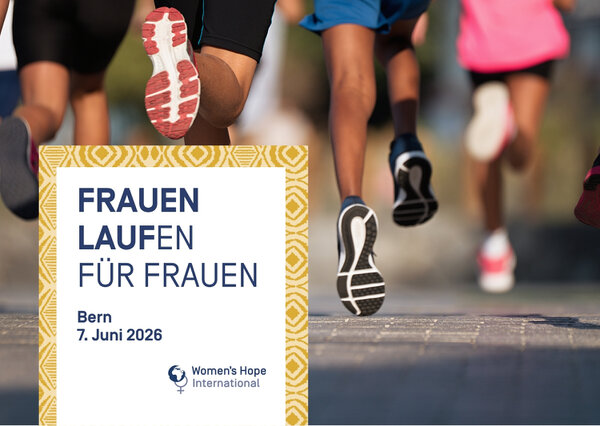
Frauenlauf 2026 in Bern
07. juin 2026 – Bern

Frauenlauf 2026 in Bern

Women's Hope International "Du willst laufend Gutes tun? Die Aktion von Women’s Hope International zum Frauenlauf macht das möglich: Während dein Umfeld deinen sportlichen Einsatz honoriert, unterstützt du mit jedem Schritt gesunde, starke Frauen weltweit. Und das Beste: Neben einem guten Gefühl erhältst du ein kleines Dankeschön, gesponsert vom Biohof Heimenhaus in Kirchlindach".

Online Information Session: MBA in International Health Managment
03. juin 2026 – online

Online Information Session: MBA in International Health Managment

Swiss Tropical and Public Health Institute "Unleash the full potential of your management and leadership skills in global health and shape the future landscape of health! Join the information session to explore how the flexible programme can support your career goals, meet the Study Directors, and ask your questions."

Supply Chain Management in Health Care (SCMHC)
25. mai 2026 – Hybrid: Swiss TPH, Allschwil, Switzerland and online

Supply Chain Management in Health Care (SCMHC)

Swiss Tropical and Public Health Institute "An effective health system comprises many components, including a well-functioning supply chain; the availability of quality and affordable health commodities at the facility is a key outcome of the logistics system ensuring that the patient receives the services they need. Significant budgetary resources are allocated for providing public health commodities in developing countries while many supply chains are managed ad-hoc and performance is insufficient. Efforts are needed to strengthen international and in-country supply chains and to establish sustainable and integrated logistics systems that are robust enough to respond to dynamics and challenges in the health sector. Key to building sustainable supply systems is recognition of and investments in human resources and the necessary management structures required to effectively and efficiently manage these systems. The course covers introductory level supply chain management, presenting basic principles of supply and support structures and functions, with a specific focus on problems related to global health. The course engages participants in the analysis of case studies that describe efforts to improve commodities supply chains and healthcare delivery in resource-poor settings. Discussion of these cases will illuminate principles and frameworks for the design and management of efficient and effective supply chains of healthcare commodities. The course will address the basics of the supply cycle as a prerequisite for access to medicines, the use of medicines, quality assurance and accountability, all embedded in a health system perspective."

#WHA79 | Are we ready for the next pandemic threat?
19. mai 2026 – Auditorium Ivan Pictet A1B, Geneva Graduate Institute, Maison de la paix, Geneva

#WHA79 | Are we ready for the next pandemic threat?

Geneva Graduate Institute "At a time when multilateralism is buckling, and pandemic threats remain ever present, this event brings together senior policymakers and global health leaders to consider the critical question: Are we ready for the next pandemic threat." The world faces a confluence of crises – economic instability, conflicts, climate emergencies, and evolving health security threats. At the same time, geopolitical shifts are reshaping international cooperation, while changing political dynamics and declining funding from long-standing donors have caused profound disruption to the global health and development architecture. This raises uncertainty about whether countries will continue to come together to tackle common threats