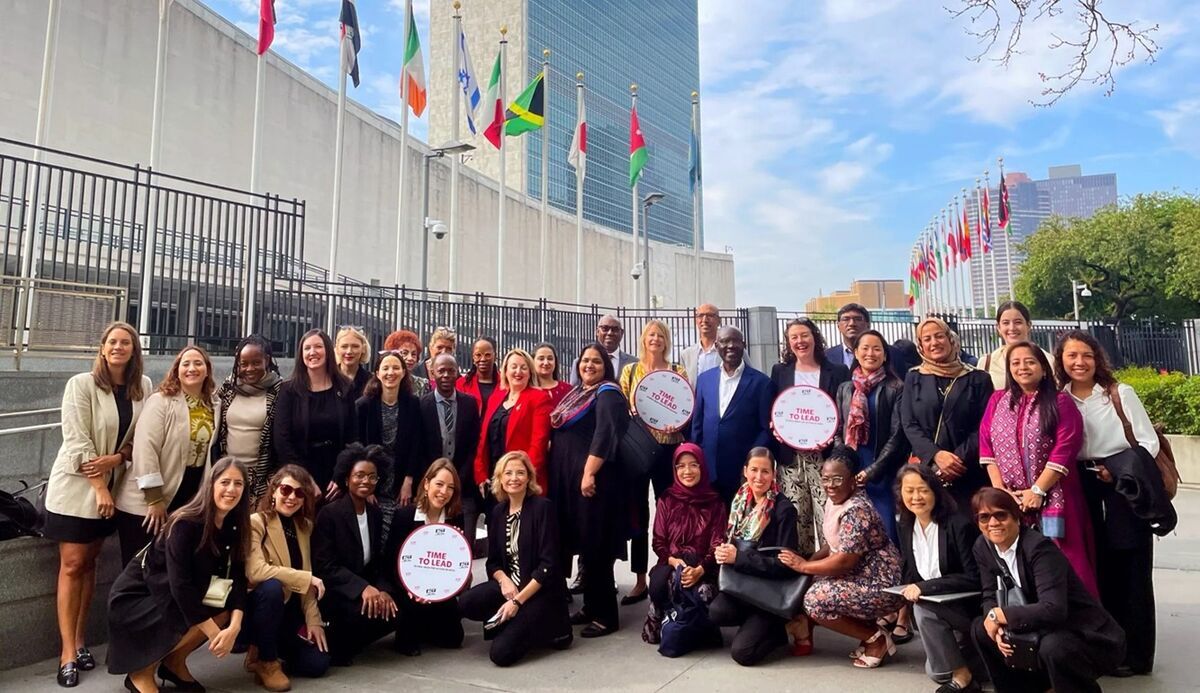
For advocates, using the term was a matter of accuracy naming the corporate practices that shape what people eat, drink, and breathe. For some governments, it was politically sensitive. And for powerful health-harming industries, it was a threat to the status quo in which harmful products remain as unregulated, accessible, and profitable as possible.
"The struggle over four words reveals something deeper: the battle for global health is not only about evidence. It is about power who shapes policy, who influences markets, and who defines what is considered politically acceptable."
Miranda Wang
NCDs are largely preventable. Countries know what works: WHO NCD Best Buys, fiscal measures, marketing regulation, clear and direct warning labels, etc. The barrier to progress is not a lack of knowledge, but a failure to curb commercial influence.
When power hides in plain sight
Two debates during the HLM4 negotiations captured this fault line.
First: whether to explicitly acknowledge commercial determinants of health. The phrase appeared and disappeared through multiple drafts, eventually returning as the softened formulation: "the impact of economic, commercial and market factors."
Second: whether conflict-of-interest (COI) safeguards should be included. Earlier drafts contained multiple references, but through the negotiations these were steadily removed, leaving a single mention of tobacco industry interference and one general line on COI towards the end of the document.
These were not simple editorial changes. They were decisive choices about whether to name power or keep it invisible. And naming matters. It clarifies who shapes health through marketing, pricing, formulation, lobbying, and litigation. It anchors accountability through transparency, oversight, and regulation. And it makes one thing clear: progress against NCDs depends on shifting incentives and power, not promoting individual ‘healthy lifestyles’ in environments engineered to push people toward unhealthy choices.
The dynamics at HLM4 are not unique.
Similar tensions appear across global health from pandemic preparedness to
nutrition and climate. Across public health, the pressure is the same and the
real challenge is how we build systems capable of withstanding concentrated
commercial influence.
From global dialogue to local action
Ghana and the Caribbean offer two examples of how countries are tackling this challenge on various fronts. Ghana offers one of the clearest examples of how civil society can shift markets in favour of public health. Over several years, VALD Ghanaled by Labram Musah and working with a broad coalition of national CSOs, with technical support from WHO, UNDP, the FCTC Secretariat and others mounted a strategic campaign to increase health taxes on alcohol, tobacco and sugary drinks.
The effort was anchored in a strong evidence base. The Health Taxes in Ghana report modelled the revenue and health impacts of higher excise taxes, giving advocates credible arguments with ministries of finance, health, the Food and Drugs Authority and the Ghana Revenue Authority. Civil society reframed the debate around fairness, domestic revenue mobilisation and national development, while a media campaign countered industry narratives about harm to the poor or to local businesses.
In March 2023, Parliament passed major tax increases, and early revenue data showed significant gains across all three product categories once the law took effect in 2024.
But the story didn’t end there. By 2025, industry groups including the Food and Beverages Association of Ghana and even the “Drunkards Association” had mobilised to weaken or reverse the reforms, and the battle continues today. Ghana’s experience shows that even major policy wins require sustained vigilance and organised civil society leadership.
Caribbean SIDS: Reclaiming policymaking
space
For Small Island Developing States (SIDS) in the Caribbean, the challenge is not only market pressure but structural exposure to commercial influence. High dependence on imported products, small and concentrated markets, and strong external commercial pressures can restrict policy space and heighten the risk that health policymaking is shaped by commercial rather than public interests.
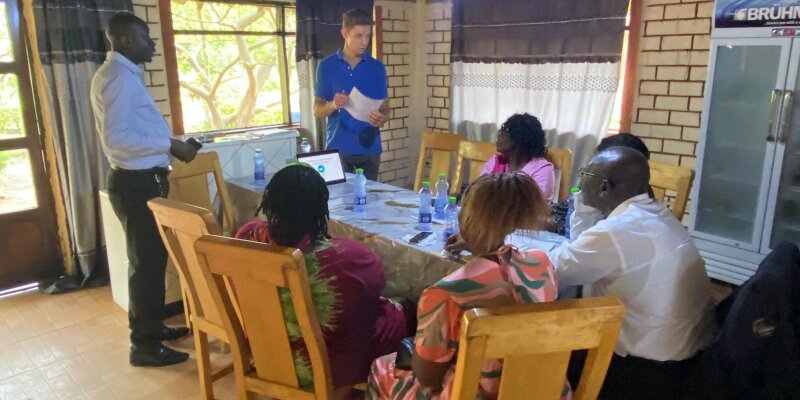
In October 2025, the Healthy Caribbean Coalition (HCC), together with PAHO and the Global Health Advocacy Incubator, convened over 70 participants from 12 CARICOM countries, including ministries of health, trade, education, agriculture, attorney general offices, and civil society. The goal: strengthen conflict-of-interest management and safeguard health policy from undue influence.
What made the gathering significant was not only the dialogue, but the commitments. Countries and ministries agreed to co-develop tailored COI policies and management tools a concrete step toward institutionalising protections across government. The meeting also saw the debut of the Bahamas Health Promotion and Wellness Bill (2025), now recognised regionally for embedding robust COI safeguards directly into legislation. The Caribbean is demonstrating that confronting commercial power requires more than recognising risk it requires rebuilding policymaking systems on transparent, accountable foundations.
These national and regional examples reveal a common reality: policy space is a global battleground. Whether in Accra, Bridgetown, or during negotiations in New York, governments seeking to implement strong NCD measures face coordinated efforts to dilute, delay, or derail regulation. This pattern shows that commercial influence is not confined to national politics it is embedded in global health governance itself. Addressing it requires both robust national safeguards and coherent multilateral standards that prevent commercial actors from shaping the rules of global health.
Reclaiming health together
Power does not fade when laws are adopted. It adapts. It reframes. It finds new entry points. Reclaiming health requires coordinated action:
- Civil society must remain vigilant exposing interference and modelling integrity with strong COI policies.
- Governments must embed transparency and accountability into the core of policymaking not as add-ons, but as default practice.
- Multilateral organisations must speak with one voice on private sector engagement.
- Donors and philanthropic partners must invest in advocacy and accountability the work that protects all other investments.
Unmasking power was the first step. Reclaiming health is the next and it demands collective courage.