MMS Nachrichten vom 07.04.2026

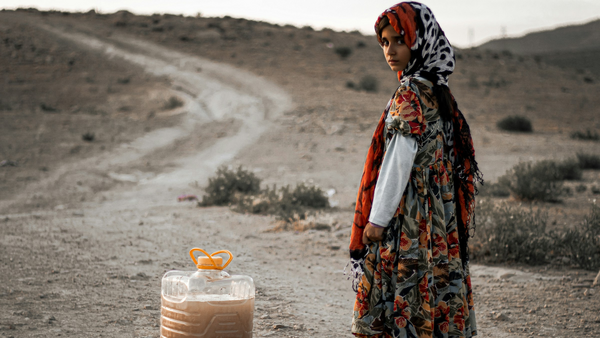
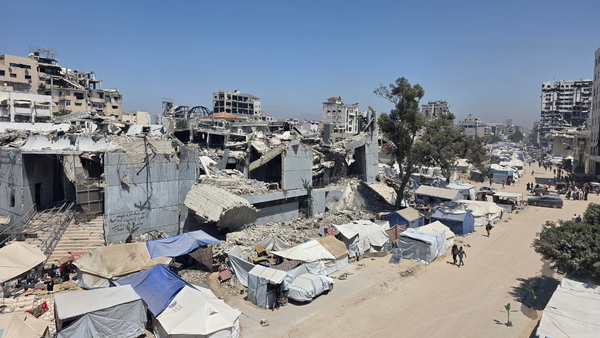
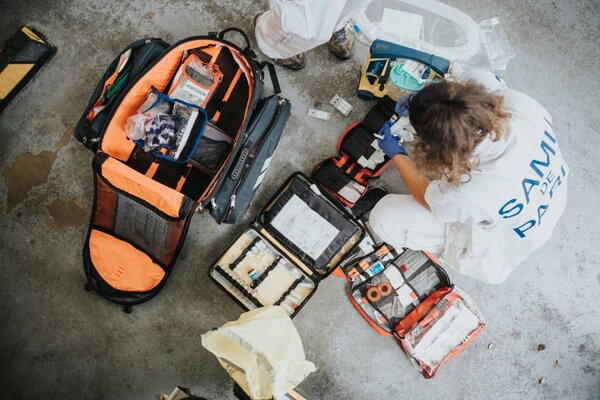
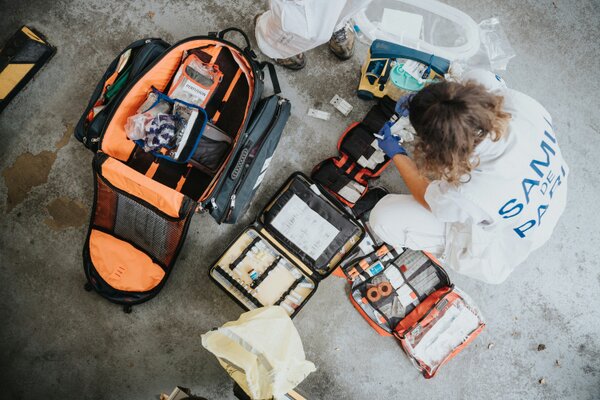
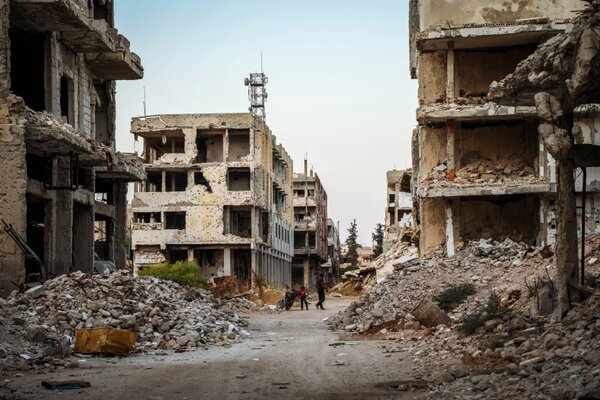
In der WHO-Region Östliches Mittelmeer spitzt sich die Gesundheitskrise zu: Konflikte, zerstörte Versorgungsketten und Angriffe auf Spitäler gefährden Millionen – und fordern auch die Schweiz als Hüterin der Genfer Konventionen heraus.

Im Fadenkreuz: Kollateralschaden Gesundheit
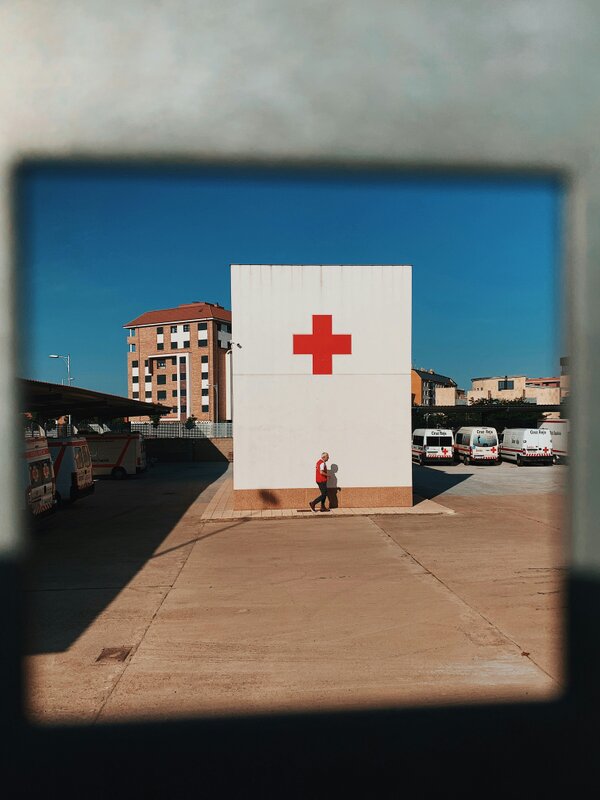
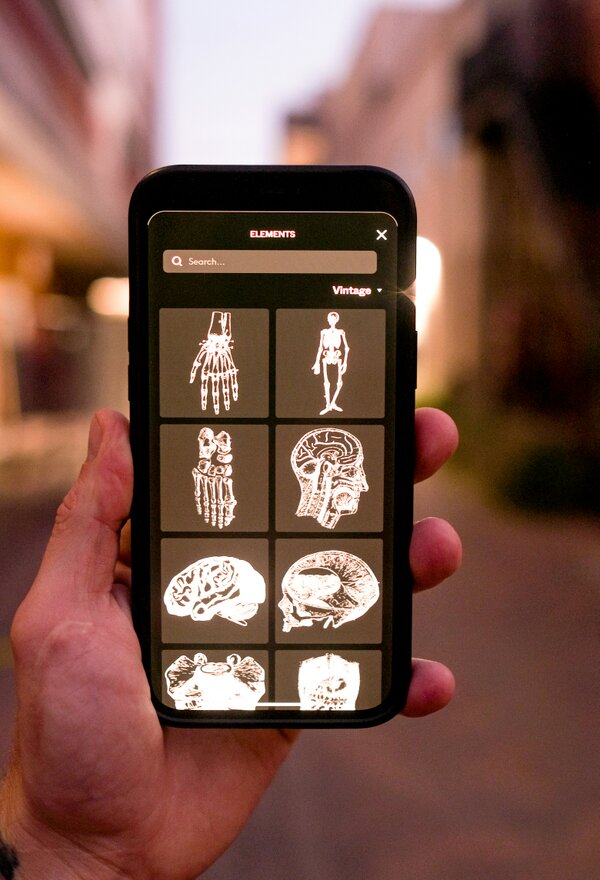
photo: ©max bender /unsplash

Zur WHO-Region Östliches Mittelmeer (Eastern Mediterranean Region) gehören Länder wie Iran, Libanon, Saudi-Arabien, Sudan oder Oman. Kein Wunder also, wandte sich kürzlich die zuständige Regionaldirektorin Hanan Balkhy mit einer eindringlichen Warnung an die Medien: In der Region breitet sich eine Gesundheitskrise aus.

Zerstörte Zugänge

Kriege und gewalttätige Konflikte wirken sich in vielfältiger Weise auf die Gesundheit der betroffenen Bevölkerungen aus. Neben dem durch Gewalt verursachten direkten physischen und psychischen Leid werden stets auch Lieferketten für Medikamente und medizinisches Material beeinträchtigt, Zugangswege zu Gesundheitseinrichtungen unterbrochen oder zu gefährlich. Besonders betroffen sind Menschen mit chronischen Krankheiten sowie schwangere Frauen. Diese indirekten Folgen sind zwar offensichtlich, finden in den Medien jedoch kaum Beachtung – sie erscheinen oft lediglich als weiterer Kollateralschaden.

Erschütternde Zahlen

Unklar bleibt zudem häufig, ob direkte Angriffe auf Gesundheitseinrichtungen als unbeabsichtigte Kollateralschäden oder als Teil einer Kriegsstrategie zu werten sind. Die von der WHO kürzlich an einer Veranstaltung für Parlamentarier:innen der beiden parlamentarischen Gruppen Globale Gesundheit (koordiniert durch Medicus Mundi Schweiz) und Rotes Kreuz (koordiniert durch das Schweizerische Rote Kreuz) präsentierten Zahlen sind erschütternd: Zwischen 2024 und 2025 wurden in 23 Ländern und Gebieten 3’038 Angriffe registriert. Dabei kamen 2’925 Mitarbeitende des Gesundheitswesens und Patient:innen ums Leben, 2’947 weitere wurden verletzt.

Jeder Angriff trifft nicht nur das Gesundheitspersonal und die Patient:innen unmittelbar, sondern zerstört auch die grundlegende Gesundheitsversorgung für ganze Regionen. Genau deshalb stellt das humanitäre Völkerrecht Gesundheitseinrichtungen unter besonderen Schutz. Die Schweiz kommt dabei als Depositärstaat der Genfer Konventionen eine besondere Verantwortung zu: Sie muss dafür einstehen, dass dieser Schutz und damit dieses grundlegende Recht gewahrt bleibt.


Martin Leschhorn Strebel

Geschäftsführer Medicus Mundi Schweiz


MMS Conference 2026: Between Drought and Dignity: How Climate Change Threatens Sexual and Reproductive Health and Rights

Between Drought and Dignity: How Climate Change Threatens Sexual and Reproductive Health and Rights
29. April 2026 – 9:30am - 4.00pm, Hotel Kreuz, Bern, Switzerland

MMS Conference: 29 April 2026 in Bern

Between Drought and Dignity: How Climate Change Threatens Sexual and Reproductive Health and Rights

Medicus Mundi Switzerland Climate change is not gender-neutral - and it is not rights-neutral. As the climate crisis accelerates, its impacts increasingly intersect with sexual and reproductive health and rights (SRHR), deepening existing inequalities and creating new risks for girls, women, and marginalized populations worldwide.

Netzwerk Nachrichten

16.03.2026 – Handicap international

Hilfsorganisationen fechten drohende Ausweisung vor Israels Oberstem Gericht an

Hilfsorganisationen fechten drohende Ausweisung vor Israels Oberstem Gericht an
photo: ©handicap international
16.03.2026 – Handicap international

Hilfsorganisationen fechten drohende Ausweisung vor Israels Oberstem Gericht an

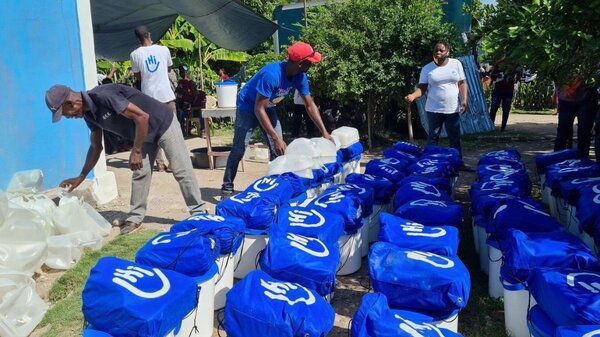
Ein grosser Teil der humanitären Hilfe, von der die Zivilbevölkerung in den besetzten palästinensischen Gebieten abhängig ist, steht vor dem Aus.

16.03.2026 – Handicap international

Handicap International verpflichtet sich zur Reduzierung des CO2-Fussabdrucks

Handicap International verpflichtet sich zur Reduzierung des CO2-Fussabdrucks
photo: ©handicap international
16.03.2026 – Handicap international

Handicap International verpflichtet sich zur Reduzierung des CO2-Fussabdrucks

2026 bekräftigt die Organisation ihre Verpflichtung zur Reduzierung der Treibhausgasemissionen. Der Klimawandel stellt eine globale Herausforderung dar und verschärft humanitäre Bedürfnisse weltweit. Gleichzeitig haben auch humanitäre Organisationen und ihre Einsätze Auswirkungen auf die Umwelt. Um ihrer Verpflichtung, «keinen Schaden anzurichten», nachzukommen, müssen NGOs geeignete Massnahmen ergreifen, um ihren CO?-Fussabdruck so weit wie möglich zu reduzieren.

30.03.2026 – Centrale Sanitaire Suisse Romande (CSSR)

Argentine : du coup d’État de 1976 au projet néolibéral de Milei

Argentine : du coup d’État de 1976 au projet néolibéral de Milei
30.03.2026 – Centrale Sanitaire Suisse Romande (CSSR)

Argentine : du coup d’État de 1976 au projet néolibéral de Milei

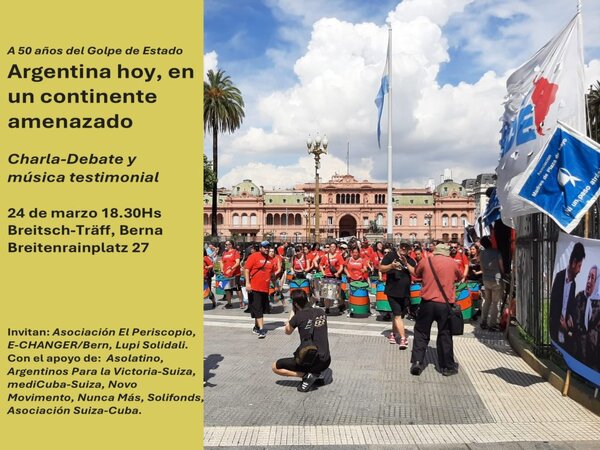
"Face à la violence autoritaire, la résistance populaire Il y a 50 ans, le 24 mars 1976, les militaires argentins, avec le soutien des États-Unis et la complicité d’une partie de la classe politique, du grand patronat et de certains secteurs de l’Église catholique, ont perpétré un coup d’État civilo-militaire qui restera dans les annales de toute l’Amérique latine pour sa brutalité répressive. Ce coup d’État ouvrait un nouveau cycle de l’agression économique et sociale contre les secteurs majoritaires de la population. Il instaurait également le mécanisme pernicieux de l’endettement et de la dépendance, avec une augmentation illimitée de la dette extérieure."

27.03.2026 – Handicap international

Sechs Jahre, sechs Prothesen: Handicap International steht Sreyka aus Kambodscha zur Seite

Sechs Jahre, sechs Prothesen: Handicap International steht Sreyka aus Kambodscha zur Seite
photo: ©Vladyslav Tobolenko/Unsplash
27.03.2026 – Handicap international

Sechs Jahre, sechs Prothesen: Handicap International steht Sreyka aus Kambodscha zur Seite

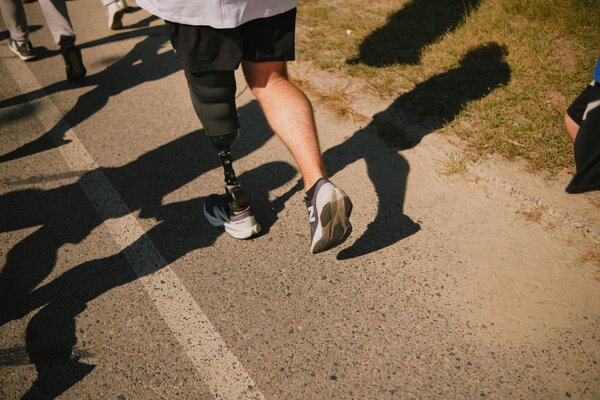
"Seit sechs Jahren kommt Sreyka regelmässig ins Rehabilitationszentrum in Kampong Cham. Da sie schnell wächst, fertigen die Teams von Handicap International immer wieder eine neue Prothese für sie an."

31.03.2026 – Handicap international

Libanon: Die Zivilbevölkerung zahlt den höchsten Preis

Libanon: Die Zivilbevölkerung zahlt den höchsten Preis
Archivbild, Libanon 2024 | Gilles Lordet / HI
31.03.2026 – Handicap international

Libanon: Die Zivilbevölkerung zahlt den höchsten Preis

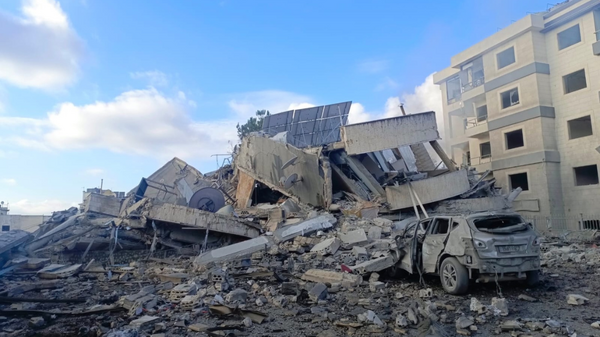
"Die humanitäre Hilfsorganisation Handicap International (HI) macht auf die dramatische Situation der Zivilbevölkerung im Libanon aufmerksam. Ganze Gemeinden sind auf der Flucht, Notunterkünfte sind überfüllt, zivile Infrastruktur ist beschädigt oder zerstört und die Versorgungslage verschlechtert sich zunehmend. Menschen mit Behinderungen sind besonders stark betroffen: Viele können ohne Unterstützung nicht fliehen und verlieren häufig ihr Versorgungsnetzwerk. HI fordert einen uneingeschränkten, sicheren, sofortigen und ungehinderten Zugang zu humanitärer Hilfe für alle von der Gewalt betroffenen Menschen."

26.03.2026 – Handicap international

Handicap International unterstützt eine Geflüchtete aus Burkina Faso in Togo

Handicap International unterstützt eine Geflüchtete aus Burkina Faso in Togo
photo: ©Mathurin NAPOLY / matnapo/Unsplash
26.03.2026 – Handicap international

Handicap International unterstützt eine Geflüchtete aus Burkina Faso in Togo

"Die 48-jährige Awa* floh nach einem bewaffneten Angriff aus Burkina Faso in den Norden Togos. Dank Handicap International erhielt sie medizinische und psychosoziale Unterstützung."

02.04.2026 – Solidarmed

100 Jahre SolidarMed

SolidarMed im Wandel der Zeit

100 Jahre SolidarMed
02.04.2026 – Solidarmed

100 Jahre SolidarMed

SolidarMed im Wandel der Zeit

Teamwork für Gesundheit - seit 1926 Entdecken Sie Menschen und Momente, die SolidarMed geprägt haben.

02.04.2026 – Solidarmed

Studie bestätigt: Geschulte Laien verbessern Gesundheitsversorgung

Studie bestätigt: Geschulte Laien verbessern Gesundheitsversorgung
photo: ©solidarmed
02.04.2026 – Solidarmed

Studie bestätigt: Geschulte Laien verbessern Gesundheitsversorgung

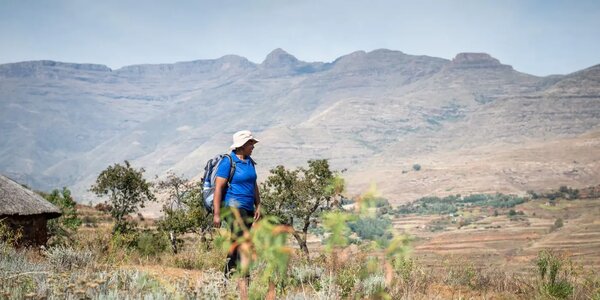
In ländlichen Regionen Afrikas bleibt Bluthochdruck oft unbehandelt, weil Gesundheitszentren weit weg sind und Fachkräfte fehlen. Eine Studie der Universität Basel und SolidarMed in Lesotho zeigt auf, wie mit geschulten Laien die Versorgungslücke geschlossen werden kann.

02.04.2026 – Solidarmed

Mangelernährung bekämpfen – für eine gesunde Zukunft

Mangelernährung bekämpfen – für eine gesunde Zukunft
photo: ©solidarmed
02.04.2026 – Solidarmed

Mangelernährung bekämpfen – für eine gesunde Zukunft

Rund ein Drittel der Kinder in Sierra Leone ist von Mangelernährung betroffen. Besonders prekär ist die Situation im Distrikt Koinadugu im Nordosten des Landes. SolidarMed hat mit einer lokalen Partnerorganisation ein neues Projekt gestartet, das durch lokal verankerte Aktivitäten Gesundheit und Ernährung der Kinder verbessert.

02.04.2026 – Swiss Tropical and Public Health Institute

EEA policy brief highlights link between pollution and mental health

EEA policy brief highlights link between pollution and mental health
photo: ©Swiss Tropical and Public Health Institute
02.04.2026 – Swiss Tropical and Public Health Institute

EEA policy brief highlights link between pollution and mental health

"A comprehensive evidence review conducted by Swiss TPH and the German Environment Agency (UBA) has informed a new policy brief by the European Environment Agency (EEA) on the links between environmental pollution and mental health disorders."

02.04.2026 – Swiss Tropical and Public Health Institute

Digital parenting support improves early childhood development in rural Peru

Digital parenting support improves early childhood development in rural Peru
photo: ©Swiss Tropical and Public Health Institute
02.04.2026 – Swiss Tropical and Public Health Institute

Digital parenting support improves early childhood development in rural Peru

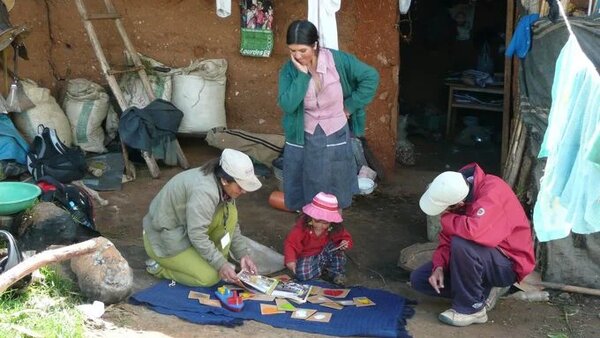
A new Swiss TPH-led study shows how digital tools can support caregivers and extend early childhood development services in resource-constrained settings. Conducted in rural Peru, the study found that an AI-supported parenting chatbot could improve early childhood development outcomes and offer a cost-effective way to extend the reach of evidence-based support, while in-person programmes remain essential.

02.04.2026 – Swiss Tropical and Public Health Institute

Milestone towards eliminating sleeping sickness

Milestone towards eliminating sleeping sickness
photo: ©Swiss Tropical and Public Health Institute
02.04.2026 – Swiss Tropical and Public Health Institute

Milestone towards eliminating sleeping sickness

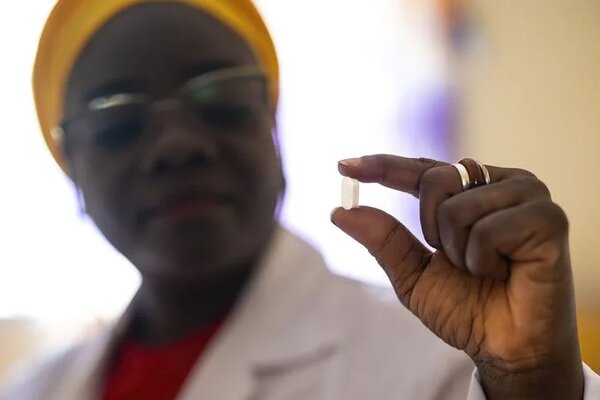
The European Medicines Agency has issued a positive opinion for Acoziborole Winthrop, a single-dose oral treatment for T.b. gambiense, the most common form of sleeping sickness. Developed over two decades by the Drugs for Neglected Diseases initiative (DNDi), Sanofi and partners, it marks a significant milestone in the fight against a neglected disease affecting some of the world's most vulnerable populations. Swiss TPH was among the partners contributing to its development.

Farewell Reflections of Nicole Probst-Hensch, 17 April 2026
17. April 2026 – Swiss TPH Kreuzstrasse 2 4123 Allschwil Switzerland

Farewell Reflections of Nicole Probst-Hensch, 17 April 2026

Swiss Tropical and Public Health Institute Taking science to impact is not uniquely a task of scientists. It requires collaboration and communication to arrive at well balanced and broadly accepted decisions. The farewell symposium of Nicole Probst-Hensch, former Head of the Department of Epidemiology and Public Health and former member of the Directorate at Swiss TPH, reflects on her career path from communication to science, from the private to the public sector, and from scientific curiosity to innovation and impact. Nicole Probst-Hensch’s personal benchmark is not academic titles and functions, but improving people’s health through her team’s science. Accordingly, the symposium is not the usual tribute to a scientist, but rather a backward- and forward-looking reflection on how to ensure that science can contribute to improving population wellbeing.

Globale Gesundheit und die Schweiz
06.03.2026 – devex

A year without USAID: In Kenya, the shock reaches herders and hospitals

A year without USAID: In Kenya, the shock reaches herders and hospitals
KI-generiertes Bild
06.03.2026 – devex

A year without USAID: In Kenya, the shock reaches herders and hospitals

"Drought, debt pressures, and shrinking U.S. aid are converging — exposing strain in Kenya’s pastoralist economies and public health system."

17.03.2026 – Süddeutsche Zeitung

USA treten aus WHO aus – und versuchen sie nun neu aufzubauen

USA treten aus WHO aus – und versuchen sie nun neu aufzubauen
photo: ©bernd dittrich/unsplash
17.03.2026 – Süddeutsche Zeitung

USA treten aus WHO aus – und versuchen sie nun neu aufzubauen

"Die Trump-Regierung hat den Zugang zur weltweiten Krankheitsüberwachung verloren. Das soll sich ändern – mit mäßigem Erfolg und vermutlich sehr hohen Kosten."

19.03.2026 – devex

The aid collapse is a stress test for locally built health tech

The aid collapse is a stress test for locally built health tech
photo: ©Jon Tyson/Unsplash
19.03.2026 – devex

The aid collapse is a stress test for locally built health tech

"Opinion: When USAID disappears overnight, countries that built grant-dependent digital health systems break. Countries that built their own don't."

19.03.2026 – Health Policy Watch

Middle East Conflict Set to Drive Up Food and Medicine Costs, Exacerbate Hunger

Middle East Conflict Set to Drive Up Food and Medicine Costs, Exacerbate Hunger
photo: © Mathurin NAPOLY /Unsplash
19.03.2026 – Health Policy Watch

Middle East Conflict Set to Drive Up Food and Medicine Costs, Exacerbate Hunger

"Following Iranian missile attacks on Dubai, a major global logistics and humanitarian hub, the World Health Organization is struggling to revive the traffic of medicines and health care supplies in and around the Middle East and African regions most served by the hubs, a WHO official said on Wednesday. "

20.03.2026 – Health Policy Watch

Africa’s Health Systems Must Confront Climate Change as a Critical Health Crisis

Africa’s Health Systems Must Confront Climate Change as a Critical Health Crisis
photo: ©Markus Spiske/Unsplash
20.03.2026 – Health Policy Watch

Africa’s Health Systems Must Confront Climate Change as a Critical Health Crisis

"Climate resilience is a key sub-theme of the World Health Summit’s regional meeting in Nairobi next month that is bringing leaders together to address the structural realities of health security across the continent and advance a transformative reform agenda."

23.03.2026 – World Health Organization

Progress in reducing child deaths slows as 4.9 million children die before age five

Progress in reducing child deaths slows as 4.9 million children die before age five
photo: ©Isaac Quesada/Unsplash
23.03.2026 – World Health Organization

Progress in reducing child deaths slows as 4.9 million children die before age five

"An estimated 4.9 million children died before their fifth birthday in 2024, including 2.3 million newborns, according to new estimates released today. Most of these deaths are preventable with proven, low-cost interventions and access to quality health care"

23.03.2026 – The Guardian

Millions of children dying from preventable causes, report reveals

Millions of children dying from preventable causes, report reveals
photo: ©omar lopez/unsplash
23.03.2026 – The Guardian

Millions of children dying from preventable causes, report reveals

"Premature birth, pneumonia and malaria among leading causes of death in under-fives worldwide, as UN experts warn aid cuts are slowing progress on survival rates."

23.03.2026 – UNICEF

Libanon: «Für viele Kinder gibt es keinen normalen Alltag mehr»

Libanon: «Für viele Kinder gibt es keinen normalen Alltag mehr»
photo: ©Mathurin NAPOLY / matnapo/Unsplash
23.03.2026 – UNICEF

Libanon: «Für viele Kinder gibt es keinen normalen Alltag mehr»

"Seit der Eskalation Anfang März wurden bereits rund 820 000 Menschen vertrieben, darunter schätzungsweise 290 000 Kinder. Die Schweizerin Andrea Berther, stellvertretende Länderchefin von UNICEF im Libanon, erklärt, wie Kinder die Krise erleben und welche Unterstützung sie jetzt dringend brauchen."

30.03.2026 – World Health Organization

Encouraging progress in inclusive health policies for refugees and migrants

Encouraging progress in inclusive health policies for refugees and migrants
photo: ©Artem Kniaz/Unsplash
30.03.2026 – World Health Organization

Encouraging progress in inclusive health policies for refugees and migrants

"The World Health Organization (WHO) reports a major shift in how countries are responding to the health needs of refugees and migrants, with new data showing more than 60 countries – two thirds of those surveyed – now include them in their national health policies and laws."

30.03.2026 – World Health Organization

WHO Member States agree to extend negotiations on key annex to the Pandemic Agreement

WHO Member States agree to extend negotiations on key annex to the Pandemic Agreement
photo: ©Tim Mossholder/Unsplash
30.03.2026 – World Health Organization

WHO Member States agree to extend negotiations on key annex to the Pandemic Agreement

"World Health Organization (WHO) Member States have agreed to extend negotiations on the Pathogen Access and Benefit Sharing (PABS) annex to the WHO Pandemic Agreement, with discussions to resume in late-April ahead of its scheduled consideration by the World Health Assembly (WHA) in May."

27.03.2026 – The Guardian

WHO warns of health crisis ‘unfolding in real time’ across Middle East

WHO warns of health crisis ‘unfolding in real time’ across Middle East
photo: ©Mahmoud Sulaiman/Unsplash
27.03.2026 – The Guardian

WHO warns of health crisis ‘unfolding in real time’ across Middle East

"Hostilities should halt and healthcare facilities must be treated as ‘safe havens’, WHO’s regional chief has said A total stop to hostilities in the Middle East is needed to halt a “health crisis unfolding in real time”, the World Health Organization’s chief in the region has said."

31.03.2026 – Health Policy Watch

More Countries Refer to Refugees in Health Policies, but Access and Data Gaps Persist

More Countries Refer to Refugees in Health Policies, but Access and Data Gaps Persist
photo: ©Markus Spiske/Unsplash
31.03.2026 – Health Policy Watch

More Countries Refer to Refugees in Health Policies, but Access and Data Gaps Persist

"More than 60 countries now include refugees and migrants in their national health policies, according to a new World Health Organization (WHO) report tracking progress on commitments first set out by the World Health Assembly in 2019."

Sexuelle und reproduktive Gesundheit und Rechte

06.03.2026 – devex

In Nepal, US ends effort to help women make life-or-death choices

In Nepal, US ends effort to help women make life-or-death choices
Photo: ©freestocks/unsplash
06.03.2026 – devex

In Nepal, US ends effort to help women make life-or-death choices

"Pregnant Anita Yadav died after waiting for permission to seek medical care. U.S. aid cuts had already dismantled a nationwide program designed to “break gender norms that undervalued women’s lives.”"

23.03.2026 – UNICEF

Advancing health and opportunity for girls and women

Advancing health and opportunity for girls and women
photo: ©rajat sarki/unsplash
23.03.2026 – UNICEF

Advancing health and opportunity for girls and women

"UNICEF announces its first Femtech Ventures cohort, backing frontier tech founders across Africa and Asia to expand equitable access to health, wellbeing and sexual and reproductive health and rights"

27.03.2026 – Health Policy Watch

Available Cervical Cancer Vaccines Fail to Cover the HPV 35 Genotype Common in Africa

Available Cervical Cancer Vaccines Fail to Cover the HPV 35 Genotype Common in Africa
photo: ©Angiola Harry/unsplash
27.03.2026 – Health Policy Watch

Available Cervical Cancer Vaccines Fail to Cover the HPV 35 Genotype Common in Africa

"The Human papillomavirus (HPV35), globally associated with only 2% of invasive cervical cancers (ICC), has a disproportionately higher prevalence in sub‐Saharan Africa, reaching rates of 22-30% in some countries among women with ICC lesions, according to a new study. Recently, a high-level panel called for redoubled efforts in HPV vaccination, screening and treatment to meet the WHO Global Strategy targets for 2030 – and eliminate cervical cancer by 2050 worldwide."

30.03.2026 – devex

GFF to launch family planning, maternal, child commodity finance program

GFF to launch family planning, maternal, child commodity finance program
Photo: © Aditya Romansa/Unsplash
30.03.2026 – devex

GFF to launch family planning, maternal, child commodity finance program

"The Global Financing Facility is planning to launch a new financing program for family planning, and maternal and child health commodities at the bank’s Spring Meetings next month. It previewed how it is expected to work this week in Nairobi."

31.03.2026 – devex

Special edition: Moving mother and child health ‘into the fast lane’

Special edition: Moving mother and child health ‘into the fast lane’
31.03.2026 – devex

Special edition: Moving mother and child health ‘into the fast lane’

"Some 1,800 maternal and child health experts from at least 87 countries gathered in Nairobi this week to discuss improving care and saving lives. A lot of the conversation was around ensuring essential commodities hit the shelves of health facilities."

Digitale Gesundheit

27.03.2026 – Health Policy Watch

Meta Liable for Harming Kids; Soda and Alcohol Companies ‘Flood’ Social Media

Meta Liable for Harming Kids; Soda and Alcohol Companies ‘Flood’ Social Media
photo: ©Sara Kurfeß/Unsplash
27.03.2026 – Health Policy Watch

Meta Liable for Harming Kids; Soda and Alcohol Companies ‘Flood’ Social Media

"Social media giants are liable for harming young users, according to two landmark court rulings in the United States this week that order Mega and YouTube to pay millions in damages. On Wednesday, a Los Angeles jury found that Meta (parent company of Facebook and Instagram) and YouTube were liable for creating addictive products that had led to a young user developing depression and anxiety."

23.03.2026 – devex

The aid collapse is a stress test for locally built health tech

The aid collapse is a stress test for locally built health tech
photo: ©cdc/unsplash
23.03.2026 – devex

The aid collapse is a stress test for locally built health tech

"Opinion: When USAID disappears overnight, countries that built grant-dependent digital health systems break. Countries that built their own don't."

30.03.2026 – World Health Organization

Neuer Bericht verdeutlicht: Defizite bei der Chancengleichheit im Bereich digitale Gesundheit bestehen weiter, doch es zeichnen sich Lösungen ab

Neuer Bericht verdeutlicht: Defizite bei der Chancengleichheit im Bereich digitale Gesundheit bestehen weiter, doch es zeichnen sich Lösungen ab
photo: ©Typerium App/Unsplash
30.03.2026 – World Health Organization

Neuer Bericht verdeutlicht: Defizite bei der Chancengleichheit im Bereich digitale Gesundheit bestehen weiter, doch es zeichnen sich Lösungen ab

"Eine vor Kurzem durchgeführte Bestandsaufnahme von WHO/Europa und Public Health Wales (Vereinigtes Königreich) kam zu dem Ergebnis, dass Menschen mit größeren gesundheitlichen Bedürfnissen und Sprachbarrieren sich mit der Nutzung digitaler Gesundheitslösungen und -technologien schwertun, hauptsächlich wegen begrenzten Zugangs, mangelnder Digitalkompetenz und einer fehlenden Anpassung der Angebote an unterschiedliche Bedürfnisse. "

Gesundheit in Zeiten von kriegerischen Konflikten

19.03.2026 – Health Policy Watch

Middle East Conflict Set to Drive Up Food and Medicine Costs, Exacerbate Hunger

Middle East Conflict Set to Drive Up Food and Medicine Costs, Exacerbate Hunger
photo: © Mathurin NAPOLY /Unsplash
19.03.2026 – Health Policy Watch

Middle East Conflict Set to Drive Up Food and Medicine Costs, Exacerbate Hunger

"Following Iranian missile attacks on Dubai, a major global logistics and humanitarian hub, the World Health Organization is struggling to revive the traffic of medicines and health care supplies in and around the Middle East and African regions most served by the hubs, a WHO official said on Wednesday. "

30.03.2026 – euronews

Iran risks ‘going many years backward’ as environmental destruction threatens long-term health

Iran risks ‘going many years backward’ as environmental destruction threatens long-term health
photo: ©Chris LeBoutillier/Unsplash
30.03.2026 – euronews

Iran risks ‘going many years backward’ as environmental destruction threatens long-term health

"Attacks on gas fields, nuclear sites, and desalination plants are leaching toxic pollutants into air, soil, and water, that could impact health for decades, experts say."

31.03.2026 – tagesschau.de

Staatlich verordnete Dunkelheit in Kairo

Reaktion auf Iran-Krieg

Staatlich verordnete Dunkelheit in Kairo
Photo: ©Roaming Pictures/Unsplash
31.03.2026 – tagesschau.de

Staatlich verordnete Dunkelheit in Kairo

Reaktion auf Iran-Krieg

" In Ägypten gehen zur Hauptgeschäftszeit die Lichter aus - eine indirekte Folge des Iran-Kriegs. Die Vorschrift soll Energie sparen. Touristen sind ausgenommen, denn die will man nicht noch zusätzlich verschrecken. "

Offene Stellen im Netzwerk

02.04.2026 – Solidarmed

Mutterschaftsvertretung: Kommunikations- & Kampagnen Manager:in

Arbeitsort: Luzern

Mutterschaftsvertretung: Kommunikations- & Kampagnen Manager:in
photo: ©solidarmed
02.04.2026 – Solidarmed

Mutterschaftsvertretung: Kommunikations- & Kampagnen Manager:in

Arbeitsort: Luzern

Zur Überbrückung einer Abwesenheit infolge Mutterschaft sucht SolidarMed eine engagierte, digital affine Persönlichkeit, welche die Kommunikations- und Fundraisingaktivitäten mit Fokus auf die digitalen Kanäle verantwortet. Pensum: 80-100% Zeitraum: August 2026 – März 2027 Die Übersicht über den Aufgabenbereich, die Anforderungen und unsere Leistungen entnehmen Sie bitte der Stellenausschreibung. Weitere Auskünfte erteilt Ihnen gerne Pierina Maibach, Leiterin Kommunikation und Fundraising unter Tel. 041 310 66 60.

02.04.2026 – Solidarmed

Verantwortliche:r Projektpartnerschaften

Arbeitsort: Luzern

Verantwortliche:r Projektpartnerschaften
photo: ©solidarmed
02.04.2026 – Solidarmed

Verantwortliche:r Projektpartnerschaften

Arbeitsort: Luzern

Für unsere Geschäftsstelle in Luzern und zur Verstärkung unserer Mittelbeschaffung suchen wir per sofort oder nach Vereinbarung eine motivierte und selbstständige Persönlichkeit als Verantwortliche:r Projektpartnerschaften (80%) Die Übersicht über den Aufgabenbereich, die Anforderungen und unsere Leistungen entnehmen Sie bitte der Stellenausschreibung. Weitere Auskünfte erteilt Ihnen gerne Pierina Maibach, Leiterin Kommunikation und Fundraising unter Tel. 041 310 66 60.

07.04.2026 – Solidarmed

Country Director Mozambique (full time)

Place of Assignment: Pemba, Mozambique

Country Director Mozambique (full time)
photo: ©solidarmed
07.04.2026 – Solidarmed

Country Director Mozambique (full time)

Place of Assignment: Pemba, Mozambique

SolidarMed is looking for a dynamic, energetic, and well-connected country director who can motivate a core team to effectively support the Ministry of Health to address key systems strengthening and improved health outcomes. The successful candidate will have a proven track record and have a solid understanding of public health and humanitarian/emergency response trends and needs for increased locally led development in the next few years. The Country Director is responsible for the strategic leadership and oversight of SolidarMed operations in Mozambique; including programme direction and quality, country strategy development, innovation, and impact; as well as human resource management and talent development, financial stewardship, resource acquisition, and administrative operations. How to apply Does this challenge appeal to you? Then we look forward to receiving your complete application including - a CV (max. 2 pages; longer CVs will NOT be considered), including 3 references - a covering letter outlining your motivation and how you meet the requirements by 30th April 2026. Please send the complete documents to our application platform by following this link. Due to the high volume of applications, SolidarMed will only contact shortlisted candidates.

Veranstaltungen

Shaping the next Global Strategy on Digital Health (2028–2033): global stakeholder consultation
01. April 2026 – Virtual technical webinar

Shaping the next Global Strategy on Digital Health (2028–2033): global stakeholder consultation

World Health Organization "Join the World Health Organization (WHO) for a 90-minute technical webinar dedicated to shaping the successor Global Strategy on Digital Health (2028–2033). Following the endorsement of the Seventy-eighth World Health Assembly (WHA78.22), this session marks a critical milestone in a Member State-driven process to define the future of data, digital health, and AI."